Tips for a healthy and beautiful smile

Tips for a healthy and beautiful smile

Studies have shown that maintaining healthy, natural and radiant teeth not only benefits your self confidence, but your social and professional interactions as well. If you have a good set of clean, bright teeth with no gaps, you are considered more healthy and attractive – on first impressions. However, a lot of people are under the false impression that to achieve pearly perfect whites, a quick teeth whitening treatment is all you need. While getting your teeth whitened is an invaluable and beneficial cosmetic dental treatment, there’s more to achieving healthy, beautiful teeth than getting them bleached. To keep your teeth in excellent condition, you also need to take care of them with healthy oral habits.

You also need to follow a healthy lifestyle – specific to your age and life stage. Taking a holistic approach to your oral health is the best way to keep your smile going, and your teeth strong and healthy for a lifetime. Here are 10 tips for a healthy and beautiful smile for life:

  • Review and improve your brushing and flossing routine. A lot of adults have flawed brushing and flossing techniques which enable plaque and decay to develop in hard-to-reach areas of the mouth. Your dentist can help you identify the weak links in your home oral health care routine.
  • Avoid diet soft drinks (as well as sugary soft drinks). Both beverages are highly acidic and cause tooth erosion. Dark-coloured soft drinks can also stain teeth over time. When drinking soft drinks, try using a straw to prevent the soft drink from coming into contact with your teeth.
  • Stop smoking. Smokers heal slower than non-smokers after gum infections and oral surgery. Smokers are at higher risk of developing periodontal disease.
  • Relax. You may be tensing your jaw and clenching your teeth if you aren’t. This facial action leads to excessive wear on your teeth and possible chipping and cracking. If you grind your teeth while sleeping, a night mouthguard from your dentist can help prevent further damage. However, learning relaxation techniques is the best way to deal with the stresses of life.
  • Don’t over bleach your teeth. Over-bleaching may lead to damage to your tooth surfaces and increased sensitivity. Touch-ups are okay once or twice a year.
  • Eat a healthy, nutritious and well-balanced diet. By giving your body the nutrients, vitamins and minerals that it needs, you can help ensure healthy teeth, bones and gum tissue in your oral cavity. Over-50s need to ensure that their Vitamin D and calcium intake is adequate to prevent bone loss.
Tips for a healthy and beautiful smile
  • Get your dental work checked. Fillings, crowns, inlays, onlays, veneers and bridges can wear out over time. If they crack or chip, oral bacteria can infiltrate the spaces, penetrate the inner tooth, and cause decay. Attending regular dental check-up and cleans can ensure that any worn out or damaged dental work is identified early and repaired.
  • Drink more water. Keeping your mouth well hydrated prevents it from drying out. A dry mouth condition increases the risk of plaque and tooth decay/erosion. One in four Australians is affected by a dry mouth. If you have a dry mouth condition, try using a mouth wash specially formulated to manage dry mouth symptoms.
  • 40 year milestone. When you reach 40 get a proper check up for any early signs of a potentially serious health condition. Certain oral health conditions, such as gum disease, may be linked to heart disease, diabetes and stroke.
  • Pregnant mothers, be aware. Pregnant women with elevated levels of estrogen and progesterone may be more susceptible to minor gum infections during pregnancy.
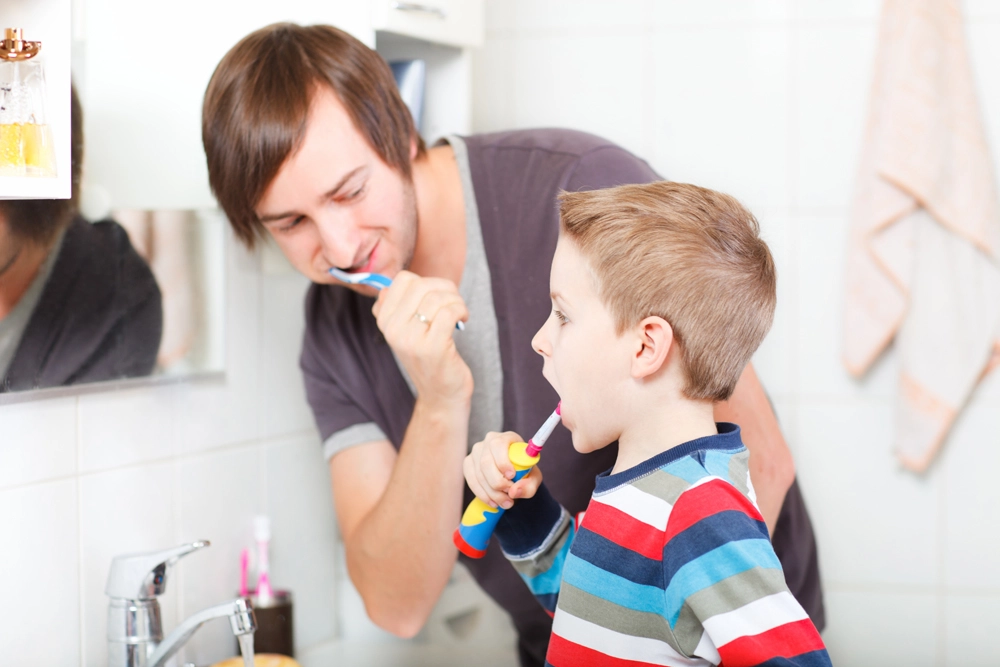
Oral health education alone for kids is not enough

Oral health education alone for kids is not enough

Researchers from the Cochrane Public Health Group recently published a review of 38 evidence-based studies on effective community-centred oral health promotion interventions for preventing tooth decay (caries), cavities and gum disease in children. Researchers reviewed interventions in a number of childhood settings including school, community, healthcare and home environments. The results of the review indicated that there was little evidence to show that oral health education alone made a difference in the level of caries in children. Some study results did show that oral health education improved gum health, oral cleanliness and oral hygiene care behaviours.

However, when oral health education was combined with other types of oral health promotion interventions, the impact on children’s oral health was far more positive. A significant improvement in the reduction of caries in children’s baby teeth occurred when oral health education was combined with supervised tooth brushing using fluoridated toothpaste. Caries in children’s permanent teeth were reduced when oral health education was combined with professional dental checkups and preventative care. Other interventions that benefit children’s oral health (when combined with oral health education) include:

  • provision of toothbrushes and toothpaste
  • sugarless non-citric chewing gum
  • motivational mentoring
  • professional dental care
  • application of fluoride varnish and fluoride supplements
  • training of non-professional educators and caregivers
  • improved child diet and restrictions on sugar intake
Oral health education alone for kids is not enough

Essentially, the Cochrane Public Health Group’s review concluded that a range of interventions were necessary to ensure the optimal oral health of children – keeping them free from tooth decay and gum disease, as well as preventing the chronic oral conditions that could affect their future adult health. Sources: “Community-based population-level interventions for promoting child oral health.”, Authors: de Silva AM, Hegde S, Akudo Nwagbara B, Calache H, Gussy MG, Nasser M, Morrice HR, Riggs E, Leong PM, Meyenn LK, Yousefi-Nooraie R. Published: 15 September 2016.

Children’s Dentistry

Children’s Dentistry

Do you have kids aged 3 and above? Usually by the time a child is 3, they would have a full complement of baby teeth (10 on top and 10 below). This is the ideal time for them to get acquainted with the dentist! Around this time, it would also be a good idea to wean them off any dummies or thumb sucking habits. These habits can be detrimental to the development of their teeth. Candy, cordial and foods high in sugar are also a big no-no!

If it is your child’s first trip to the dentist, we usually like to keep their experience light-hearted, gentle and fun. This is so they can become familiar with and trusting of a dental environment. The last thing we would want is a child to have a bad experience and become fearful of the dentist!

Children’s Dentistry

If your child has had a traumatic experience and has dental anxiety, we may refer him or her to a specialist children’s dentist. Of course, it is always better to encourage a healthy and positive attitude in your child towards dental visits. That way we can prevent your child from becoming an uncooperative patient! To achieve this, our primary focus is the comfort, safety, health and well-being of each child we care for.

The government has introduced a new Child Dental Benefits Scheme(CDBS). Under this scheme, children under 18 can receive a benefit entitlement of $1000 to use at the dentist of their choice. If you are eligible, you would have received the CDBS letter sent by Medicare. Our friendly staff will take care of the rest including bulk billing directly. Make sure you bring your CDBS letter and Medicare card when you attend your next appointment with your child. For more information, you can visit the Department of Health website at http://www.health.gov.au/dental

5 tips to brighter smiles

5 tips to brighter smiles

  • Chew sugar-free gum – As you chew, your salivary glands are stimulated, hence producing more saliva which cleans and flushed out food debris and particles between your teeth, plus it freshend your breath, bonus!
  • Floss… everyday! – Unfortunately folks, brushing your teeth alone just does not cut it. Bacteria likes to hide out in between your teeth which is where your toothbrush cannot clean. So if you would rather not have filings, flossing is the way to go!
5 tips to brighter smiles
  • Drink H2O – Its not only great for your teeth but for weight loss, clearer skin, and metabolic functioning. (no cheating by adding cordial or syrups!)
  • Brush your tongue – This may sound gross, but bacteria loves hiding out on the rough surface of your tongue too. So give it a good clean out while you are brushing, for an extra clean and fresh feeling.
  • See your dentist twice a year – Nothing makes us happier than a patient who comes in regularly for cleans and has zero cavities. Its a big win-win situation for you and us!