The oral bacteria that destroy your brain’s nerve cells

The oral bacteria that destroy your brain’s nerve cells

Oral Bacteria

Oral Bacteria

The oral bacteria that destroy your brain’s nerve cells

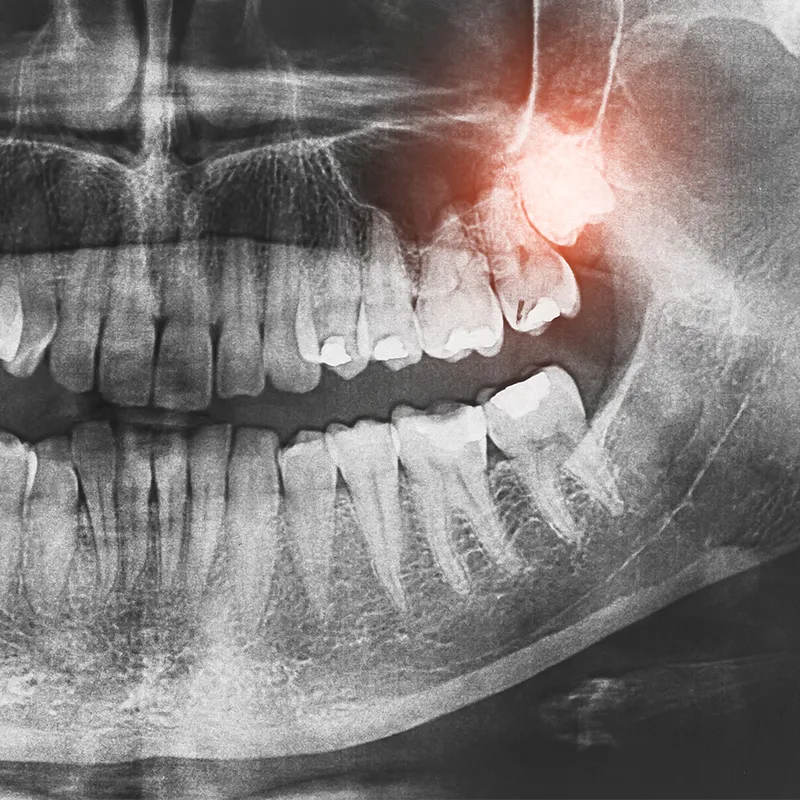
According to a recently published study conducted by the University of Bergen, Norway, certain oral bacteria play a “decisive” role in the development of Alzheimer’s in an individual.

In a news statement released on June 3, 2019, lead researcher Piotr Mydel stated that his team had discovered clear DNA-based proof that gingivitis-causing bacteria can move independently from the oral cavity to brain tissue. The bacteria travel via the close network of blood vessels and nerve fibres that connect the two areas of the head.

Once the oral bacteria are in the brain, they excrete protein and enzyme by-products that can go on to destroy the brain’s nerve cells. When nerve cells of the brain die, the result can be memory loss – and potentially Alzheimer’s.
While there are multi-factor causes of Alzheimer’s, Mydel believes that the presence of these bacteria in the brain significantly heightens your risk of developing the disease and can speed up its progress.

Eliminate P.gingavalis from your body

oral pathogen test

With clinical evidence mounting, it’s inevitable that P.gingavalis will make it onto the high risk factors list for Alzheimer’s in the future. However, you wouldn’t want this dangerous pathogen to silently wreak havoc in your brain and other parts of your body – at anytime.

While the Norwegian researchers have focused on developing drugs that block the harmful by-products of P.gingavalis, it’s a far better strategy to prevent these bacteria from entering your brain in the first place. The best way to achieve this goal is to maintain a proper oral health care and hygiene routine along with regular dental checkups.

P.Gingavalis – the creepy crawler in the brain

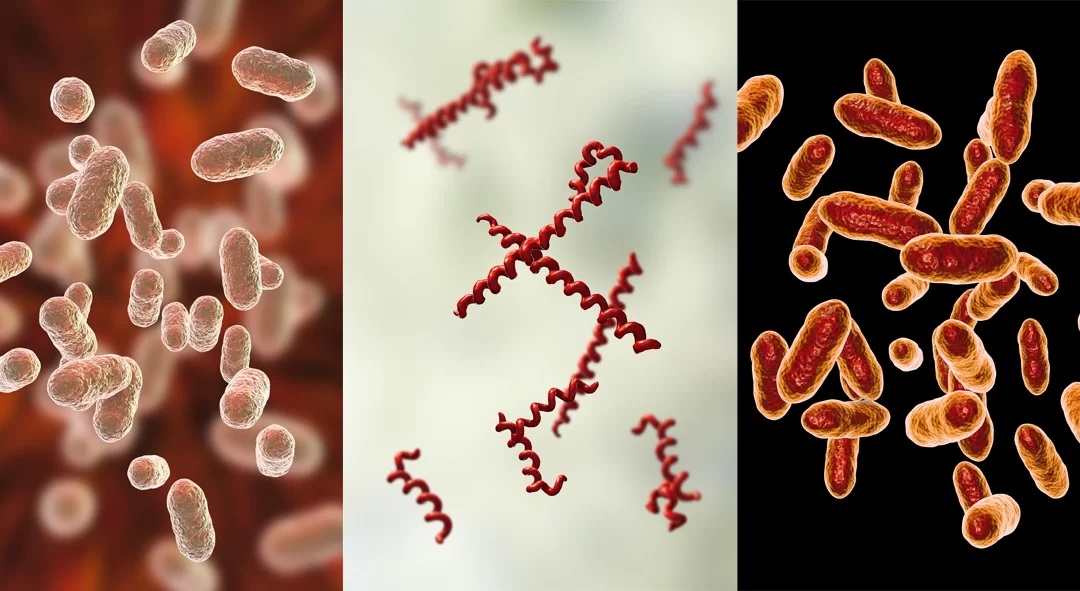
The oral bacteria in question have been identified by the Norwegian research team to Porphyromonas gingivalis – or P.Gingavalis for short. This oral bacterium is one of the main culprits responsible for gum disease, and has been linked to a number of general health conditions, including diabetes, strokes, oral cancer, rheumatoid arthritis and chronic obstructive pulmonary disease (COPD).

The Norwegian study backed up the findings of a similar UK study published in 2014. In this study, English researchers concluded that the same bacteria species and its by-products were responsible for a repeated immune response that caused the death of brain neurons, as well as nerve cells.

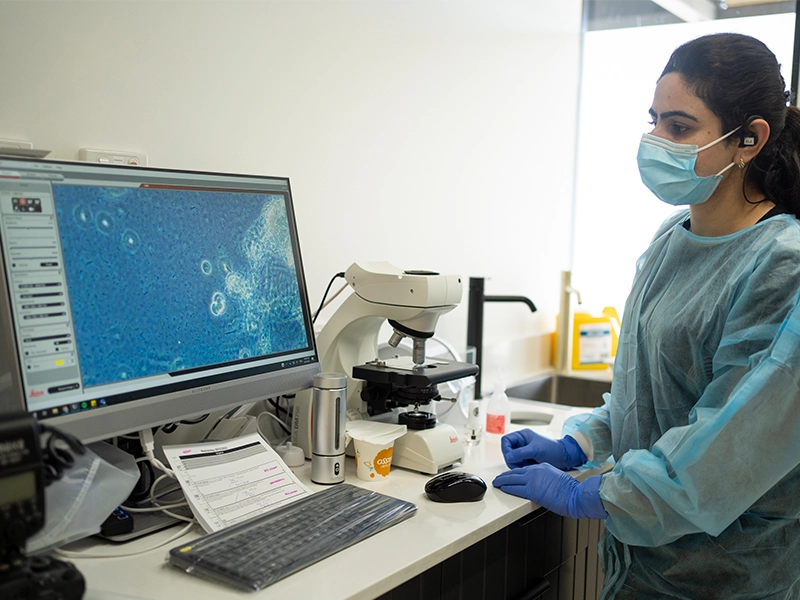
But how can you be sure? It’s easy. To identify and eliminate P.gingavalis & co from your body, all it takes is a simple saliva test right here at Leeming Dental. In fact, we are the ONLY providers of Oral DNA testing in West Australia.

Once we submit your sample, it is tested and an Oral DNA test lab report lists all pathogenic bacteria detected in your saliva. With this crucial information, we are able to customise a 100% effective antibiotic treatment that will eliminate the harmful bacteria present in your body.

Take your oral DNA test at Leeming Dental

For more information or to schedule a consultation, call our friendly, helpful reception at Leeming Dental on 08 9310 3367. In the meantime, brush and floss your teeth daily!

References:

Stephen S. Dominy, Casey Lynch, Florian Ermini, Malgorzata Benedyk, Agata Marczyk, Andrei Konradi, Mai Nguyen, Ursula Haditsch, Debasish Raha, Christina Griffin, Leslie J. Holsinger, Shirin Arastu-Kapur, Samer Kaba, Alexander Lee, Mark I. Ryder, Barbara Potempa, Piotr Mydel, Annelie Hellvard, Karina Adamowicz, Hatice Hasturk, Glenn D. Walker, Eric C. Reynolds, Richard L. M. Faull, Maurice A. Curtis, Mike Dragunow, Jan Potempa. Porphyromonas gingivalis in Alzheimer’s disease brains: Evidence for disease causation and treatment with small-molecule inhibitorsScience Advances, 2019; 5 (1): eaau3333 DOI: 10.1126/sciadv.aau3333

Can oral bacteria cause Alzheimer’s disease?

Can oral bacteria cause Alzheimer’s disease?

Can oral bacteria cause Alzheimer’s disease?

Can oral bacteria cause Alzheimer’s disease?

Find out what the UK researchers are saying

If you have poor oral hygiene, you are at a higher risk of a number of oral health issues such as plaque, tartar, tooth decay, cavities and chronic gum disease (periodontal disease). Inadequate oral hygiene opens the door to potentially hundreds of pathogenic oral bacteria to your teeth and gums.

Other health consequences

Oral health issues may be only one of the consequences of allowing pathogenic oral bacteria to develop in your oral cavity. A number of clinical studies in recent years have established links between certain species of oral bacteria and Alzheimer’s disease.

These oral bacteria have the ability to migrate and colonise your brain tissue. The three main culprits identified so far are Porphyromonas gingivalis, Treponema denticola, and Tannerella forsythia. Check them out (in order).

These nasty little critters can infiltrate and infect your gums and even your jawbone – like termites in wood. Additionally, these bacteria can travel around your body and enter your brain on a regular basis.

How might oral bacteria trigger the onset of Alzheimer’s?

More studies need to be conducted to find a causative link between the suspect bacteria and Alzheimer’s disease. However, the UK researchers are working with the theory that if the brain is exposed repeatedly to these oral bacteria and their by-products, the subsequent immune response may result in death of neurons in the brain area associated with memory, as well as nerve cell death.

Only Alzheimer’s patients had the oral bacteria present in their brains

When the UK scientists tested non-Alzheimer’s patients for the bacteria, they discovered that none had the suspect bacteria present in their brain tissue, whereas all of the patients with Alzheimer’s disease did.

How can pathogenic oral bacteria be identified & eliminated from your body?

At present, the diagnosis and treatment of pathogenic oral bacteria can only be performed via an oral bacteria DNA test and anti-biotic treatment. Root planing, a dental treatment used to deep clean between the teeth and gums, is a treatment method that can only remove the plaque and calculus in those areas.

oral pathogen test for oral bacteria

Oral bacteria that can crawl their way into your brain

In 2014, UK scientists were first able to identify the presence of the three oral bacteria (listed above) in the brain tissue of living Alzheimer’s patients. The researchers established that at least two of the bacteria – once firmly established in the oral cavity – had the ability and versatility to enter the brain via two different pathways.

The first pathway was via the bloodstream where they could attach to red blood cells, and travel directly into the brain – where they get off because there are no immune checkpoints. What this means for patients with bleeding gums, is that every time they brush their teeth or eat food, a fresh influx of bacteria can enter the bloodstream and reach the brain in a matter of seconds.

The second pathway came as a surprise to the UK researchers. Since the bacteria are motile (capable of motion), they were able to “crawl” their way to the brain via the nerves that connect tooth roots to the brain – a short distance of a several centimetres.

References:

Singhrao, S. K., Harding, A., Poole, S., Kesavalu, L., & Crean, S. (2015). Porphyromonas gingivalis Periodontal Infection and Its Putative Links with Alzheimer’s Disease. Mediators of inflammation, 2015, 137357.

Poole, S., Singhrao, S. K., & Crean, S. J. (2014). Emerging evidence for associations between periodontitis and the development of Alzheimer’s disease. Faculty Dental Journal, 5(1), 38-42. doi:10.1308/204268514×13859766312719

WARNING – Smoking damages your oral health!

WARNING – Smoking damages your oral health!

Smoking oral health risks

Smoking is bad for your general health but did you know that smoking is a major contributor to oral health problems also? While smoking is well known as a cause of tooth discolouration, loss of your sense of taste, and bad breath, it also has damaging effects on the health of your teeth and gums.

Can smoking cause you to lose your teeth?

Smoking definitely increases your risk of tooth loss. Heavy smokers have more than 3 times the risk of tooth loss compared to non-smokers according to a European study conducted in 2015. However, your level of risk decreases to that of non-smokers, after you have quit smoking for 10-20 years.

How does smoking affect your teeth and gums?

Smoking affects your teeth and gums because smoking by-products and nicotine reduce the flow of blood and oxygen to your oral tissues. If you have periodontal disease, this may prolong inflammation and gum infections, making it more difficult for your immune system to protect your oral health.

Other oral health risks and complications from smoking –

  • Tooth decay – When you smoke, your mouth dries out. A dry mouth allows oral bacteria to develop which increases in the amount of bacterial acid in your oral cavity. This leads to more rapid onset of tooth decay.
  • Oral cancer – Cigarette smoke contain a number of carcinogenic chemicals. When your oral and throat tissues are constantly exposed to cigarette smoke, genetic changes may occur to your soft tissue cells. This increases your risk of oral cancer significantly. For smokers, oral cancer usually occurs on your tongue or the bottom of your mouth. After you have quit smoking for 5 years, your risk for oral cancer halves.
  • Slows down recovery time after surgery – If you’ve had a tooth extraction, dental implants or another type of oral surgery, smoking may impair, and even interrupt the healing process – of bones, soft tissue and wounds. Dentists also recommend that you stop smoking at least 12 hours before oral surgery.

Try to quit smoking!

The benefits of quitting smoking to your oral (and general) health are clear, though it is usually a very difficult habit to stop. So do yourself a favour and get support! Call Quitline 13 QUIT (137 848) for free information, assistance and support.

Smoking damages oral health

References

Dietrich, T., Walter, C., & Oluwagbemigun, K. (2015). Smoking, Smoking Cessation, and Risk of Tooth Loss: The EPIC-Potsdam Study. Journal of Dental Research, 94(10), 1369-1375.

Foods and drinks that stain your teeth

Foods and drinks that stain your teeth

Brushing your teeth twice daily and seeing your dentist for a professional clean are two of the best ways to maintain a bright, healthy smile. However, no matter how clean and free of plaque your teeth may be, there is one thing that can prevent your teeth from being the brightest they can be – and that is food and drinks that stain your teeth.

How do foods and drinks stain your teeth?

Foods and drinks that contain coloured compounds called chromogens, have the ability to stain your teeth. Another substance called tannin can increase the staining potential of chromogens, especially when both are present in the same drink or food. For example, black tea or coffee. If acids are also present, the staining or discolouration is further enhanced because acids weaken your tooth enamel, making your teeth easier to stain. The most common teeth-staining foods and drinks

  • Black tea and coffee
  • Red wine
  • Soft drinks and sports drinks
  • Dark coloured fruit juices and drinks
  • Dark coloured berries
  • Tomato-based pasta sauce
  • Beetroots
  • Curries containing tumeric
  • Soy sauce
  • Balsamic vinegar
  • Coloured candy
Foods and drinks that stain your teeth

Should all I avoid consuming all foods and drinks that stain or discolour my teeth? Certainly not. If a food or drink is naturally dark in colour, especially purple and red, they probably contain high levels of antioxidants which provide numerous health benefits. Just eat them in moderation and rinse your mouth with water afterwards to avoid their staining effect. On the other hand, food or drinks that are sweetened and artificially coloured are best avoided altogether since they also contribute to tooth decay.

What can I do to avoid tooth stains and discolouration?

  • Consume foods and drinks that stain or discolour teeth in moderation.
  • Rinse your mouth with water after consuming teeth-staining foods and drinks.
  • Balance off meals with foods high in fibre which can increase saliva and have a natural cleansing effect. For example, apples and celery.
  • Try using a straw when drinking teeth-staining beverages to bypass your teeth.
  • Chew Xylitol gum after eating for a saliva-boosting cleansing effect.
  • Brush and floss twice daily.
  • Attend regular checkups and cleans with your dentist.