Keep vibing for life by taming chronic inflammation

Keep vibing for life by taming chronic inflammation

As we age, our bodies subtly change. Aches and pains become more commonplace, our movements might lack their youthful spring, and our eyesight might even lose some clarity. But what if there is a way to slow down this process, to feel younger and more energetic for longer? The answer could lie in understanding and managing a hidden culprit: chronic inflammation.

What is inflammation?

Inflammation is your body’s way of protecting itself when something harmful happens, such as an injury, infection or irritation. It’s a biological alarm that goes off to signal that something’s wrong. When your body detects a threat, like bacteria, viruses or toxins, it sends out immune cells, like white blood cells, to fight the problem and help you heal.

When you notice signs of inflammation, like redness, swelling, heat, pain or difficulty moving the affected area, your first thought should be that this is your body’s way of showing that it’s working hard to heal you. However, when it is severe or persistent, then it can spell trouble.

While acute inflammation is a necessary and beneficial process that helps the body fight off infections and heal injuries, chronic inflammation can be harmful. Chronic inflammation occurs when inflammation sticks around for too long, often due to underlying health conditions such as autoimmune diseases, obesity or long-term exposure to irritants like pollution and cigarette smoke.

Keep vibing for life by taming chronic inflammation

The connection between inflammation and ageing

Inflammageing is a specific type of chronic, low-grade inflammation that develops with age. It’s different from the acute inflammation you experience with a cut or infection because it happens in the absence of any obvious cause.

Cellular decline

Persistent activation of the immune system damages healthy tissues instead of just fighting off invaders. One way this happens is through cellular senescence. Our cells naturally slow down as we age, but inflammageing can accelerate this process. These dysfunctional cells accumulate and hinder tissue repair, contributing to wrinkles, muscle weakness and organ decline.

Weakened immune system

The constant low-grade ‘slow-burning fire’ of inflammageing can confuse the immune system. It becomes less effective at fighting off actual infections and diseases, making seniors more susceptible to illness.

Organ damage

Continually elevated inflammation levels can damage vital organs like the heart, lungs and brain. This increased stress is a major risk factor for age-related diseases such as heart disease, diabetes, cancer and neurodegenerative disorders like Alzheimer’s.

We’ve discussed how chronic inflammation is linked to ageing. Now, you might be surprised to learn how our oral health significantly impacts this process. Our mouths, especially when affected by periodontal (gum) disease, can become a breeding ground for inflammation.

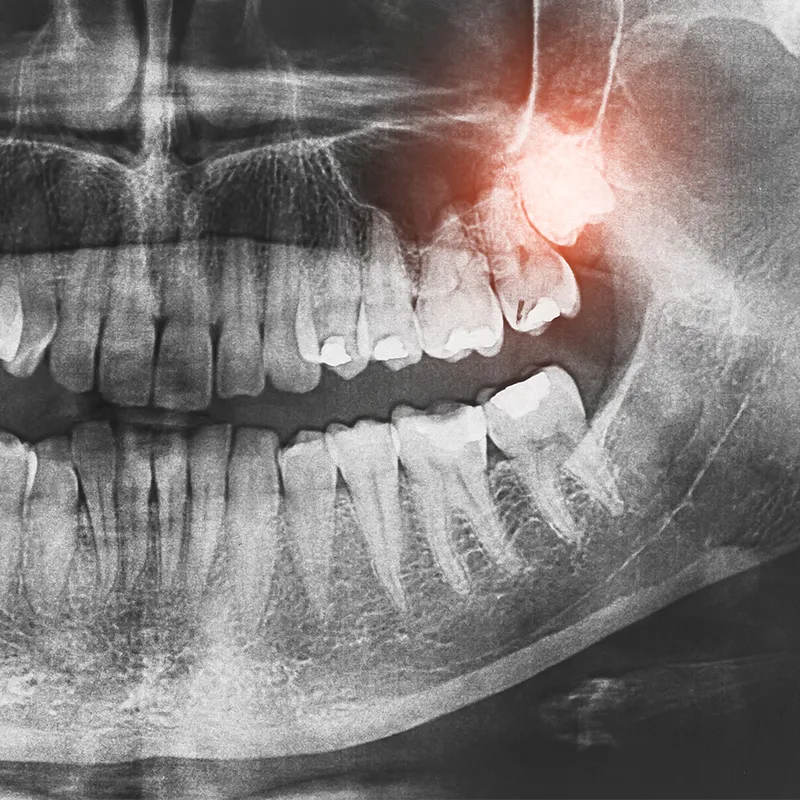
Periodontal disease is a chronic inflammatory condition. It affects the tissues supporting our teeth, including the gums, periodontal ligament (fibres connecting teeth to bone) and jawbone. When plaque and bacteria build up along the gumline, they trigger an immune response, leading to inflammation and tissue damage.

Left untreated, periodontal disease can progress, causing tooth loss and increasing the risk of systemic inflammation. Furthermore, the harmful bacteria from these oral infections aren’t confined to the mouth. They can enter the bloodstream, triggering inflammation throughout the body. This systemic inflammation can then exacerbate the ageing process and contribute to the development of other age-related conditions.

Keep vibing for life by taming chronic inflammation

Fight inflammation and stay younger with healthy habits

Thankfully, we can turn down the flames of inflammation and promote healthy ageing through mindful lifestyle choices.

Brush away bad bacteria: Excellent oral hygiene is your first line of defence. Brushing twice daily, flossing regularly and visiting your dentist keep your mouth healthy and inflammation at bay.

Move your body: Regular exercise is a potent anti-inflammatory weapon. Get your body moving and reap the benefits of improved overall health and reduced inflammation.

Stress less, live more: Chronic stress fuels the fire. Find healthy ways to manage stress, like yoga, meditation or spending time in nature. You’ll be amazed at how much better you feel!

Sleep and recharge: Aim for 7-8 hours of quality sleep each night. When you’re sleep-deprived, your body struggles to fight inflammation. Prioritise sleep for optimal health and a more energetic you.

Fuel your body right: Go for a whole-food, anti-inflammatory diet rich in fruits, vegetables and healthy fats (e.g., nuts & fish). Limit processed foods, sugar and unhealthy fats.

Keep vibing for life by taming chronic inflammation

You’re in control!

Inflammation is a natural part of ageing, but don’t give it the final say on how you experience your adulthood. Through smart lifestyle choices, prioritising oral health and collaborating with your healthcare team, you can help keep this internal fire stay under control and experience a healthier, more vibrant life, no matter your age.

Remember, gaining understanding is only your first step toward living your best life. Consult your dentist and doctor for personalised advice on managing inflammation and thriving with outstanding health.

New studies show gum disease may increase severity of COVID-19

New studies show gum disease may increase severity of COVID-19

Everybody on the planet knows about COVID19. Yet with each day, come new discoveries about this mysterious disease. For many, experiencing COVID19 is no more severe than catching a cold. But for others, they experience far worse outcomes such as respiratory failure and death. The risk for contracting a severe form of COVID19 is higher if you have certain medical conditions including cancer, kidney disease, obesity, type 1/2 diabetes, respiratory conditions, high blood pressure and heart disease, as well as being in an advanced age group. Now, recent new studies reveal that one other health condition may also increase your risk of experiencing severe COVID19 – untreated gum disease and poor oral health.

What is the link between untreated gum disease & COVID19?

German researchers have discovered that when COVID19 patients experienced an inflammatory response leading to respiratory failure, their levels of a pro-inflammatory cytokine called interleukin-6 (IL-6) were elevated. This is the same cytokine implicated in the phrase “cytokine storm” – a term coined to describe the out-of-control immune response occurring in patients with severe COVID19 and other serious auto-immune disorders. People with chronic, untreated gum disease (periodontal disease) experience higher levels of IL-6 as a result of the body’s constant inflammatory response to infected gum tissue. Since elevated levels of IL-6 indicate a strong potential for respiratory complications in COVID19 patients, the authors of the study concluded that treating gum disease and decreasing IL-6 levels may help prevent or reduce severe COVID19 complications.

Earlier British study correlates German findings on IL-6

In June 2020, an English study also found that high IL-6 levels, along with a high oral bacterial load in the mouth, were significant risk factors for severe COVID19 respiratory complications. Their advice: keep good oral hygiene, regular checkups and get gum disease treated!

Treating gum disease to reduce IL-6 levels in the body

The treatment for periodontal disease is quite simple. It is performed by a dentist in a basic dental procedure known as a scale and root planning – a deep dental clean right down to the roots. During this treatment, all oral bacteria are removed above and below the gum line – keeping your teeth and gums healthy. Once gum disease is being properly managed and treated, the body’s inflammatory response winds down along with lower levels of IL-6.

Resources:

Herold, T., Jurinovic, V., Arnreich, C., Lipworth, B. J., Hellmuth, J. C., von Bergwelt-Baildon, M., Klein, M., & Weinberger, T. (2020). Elevated levels of IL-6 and CRP predict the need for mechanical ventilation in COVID-19. Journal of Allergy and Clinical Immunology146(1), 128-136.e4.  https://doi.org/10.1016/j.jaci.2020.05.008 Sampson, V., Kamona, N., & Sampson, A. (2020). Could there be a link between oral hygiene and the severity of SARS-CoV-2 infections? British Dental Journal228(12), 971–975.  https://doi.org/10.1038/s41415-020-1747-8 Sampson, V. (2020). Oral hygiene risk factor. British Dental Journal228(8), 569.  https://doi.org/10.1038/s41415-020-1545-3

Gum disease sets off Alzheimer’s biomarkers in cognitively healthy adults

Gum disease sets off Alzheimer’s biomarkers in cognitively healthy adults

In a recent 2021 study from New York University, oral health researchers found that cognitively healthy older adults with harmful oral bacteria experienced a key Alzheimer’s disease biomarker called amyloid beta.

Researchers found that amyloid beta was more likely to be detected in the cerebrospinal fluid (CSF) of subjects with high concentrations of oral pathogens below the gumline. When amyloid beta accumulates, it forms hard, insoluble clumps called amyloid plaques. Amyloid plaques have been argued by researchers to be the main disruptors of communication between brain cells in Alzheimer’s patients.

The U.S. researchers identified oral pathogens including Porphyromonas, Fretibacterium and Prevotella, and pro-biotic bacterial species including Actinomyces, Capnocytophaga and Corynebacterium.

Fortunately, the results of the study showed that subjects with higher levels of pro-biotic bacteria had decreased gum inflammation. This may have a protective effect against Alzheimer’s. The subjects with better gum health were also less likely to have Amyloid beta biomarkers in their CSF.

Despite the need for further studies with a larger sampling of subjects, the researchers were able to ascertain that the balance or imbalance of good & bad oral bacteria had a modulating effect on amyloid levels and the expression of amyloid lesions.

Reference:

Kamer, A., Pushalkar, S., Gulivindala, D., Butler, T., Li, Y., Annam, K., Glodzik, L., Ballman, K., Corby, P., Blennow, K., Zetterberg, H., Saxena, D. and Leon, M., 2021. Periodontal dysbiosis associates with reduced CSF Aβ42 in cognitively normal elderly. Alzheimer’s & Dementia: Diagnosis, Assessment & Disease Monitoring, 13(1). Read the NYU study here: https://alz-journals.onlinelibrary.wiley.com/doi/full/10.1002/dad2.12172

Can oral bacteria cause Alzheimer’s disease?

Can oral bacteria cause Alzheimer’s disease?

Can oral bacteria cause Alzheimer’s disease?

Can oral bacteria cause Alzheimer’s disease?

Find out what the UK researchers are saying

If you have poor oral hygiene, you are at a higher risk of a number of oral health issues such as plaque, tartar, tooth decay, cavities and chronic gum disease (periodontal disease). Inadequate oral hygiene opens the door to potentially hundreds of pathogenic oral bacteria to your teeth and gums.

Other health consequences

Oral health issues may be only one of the consequences of allowing pathogenic oral bacteria to develop in your oral cavity. A number of clinical studies in recent years have established links between certain species of oral bacteria and Alzheimer’s disease.

These oral bacteria have the ability to migrate and colonise your brain tissue. The three main culprits identified so far are Porphyromonas gingivalis, Treponema denticola, and Tannerella forsythia. Check them out (in order).

These nasty little critters can infiltrate and infect your gums and even your jawbone – like termites in wood. Additionally, these bacteria can travel around your body and enter your brain on a regular basis.

How might oral bacteria trigger the onset of Alzheimer’s?

More studies need to be conducted to find a causative link between the suspect bacteria and Alzheimer’s disease. However, the UK researchers are working with the theory that if the brain is exposed repeatedly to these oral bacteria and their by-products, the subsequent immune response may result in death of neurons in the brain area associated with memory, as well as nerve cell death.

Only Alzheimer’s patients had the oral bacteria present in their brains

When the UK scientists tested non-Alzheimer’s patients for the bacteria, they discovered that none had the suspect bacteria present in their brain tissue, whereas all of the patients with Alzheimer’s disease did.

How can pathogenic oral bacteria be identified & eliminated from your body?

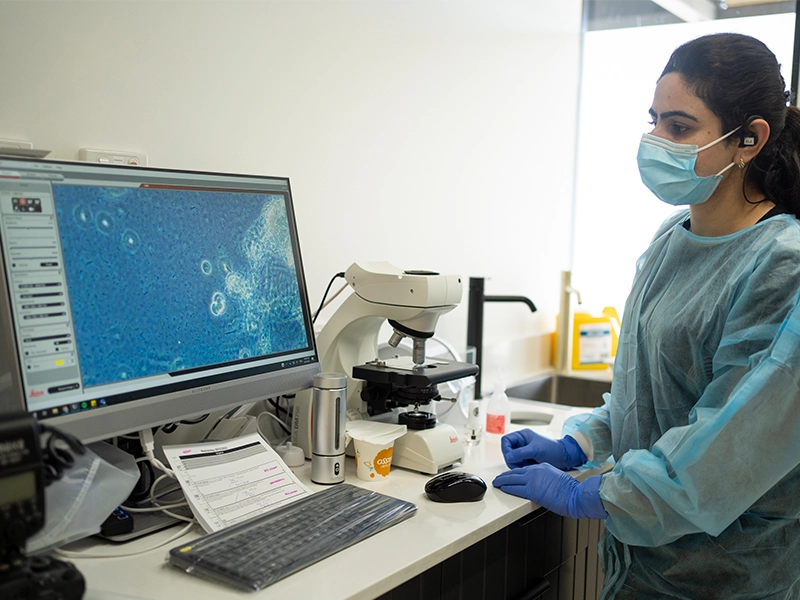
At present, the diagnosis and treatment of pathogenic oral bacteria can only be performed via an oral bacteria DNA test and anti-biotic treatment. Root planing, a dental treatment used to deep clean between the teeth and gums, is a treatment method that can only remove the plaque and calculus in those areas.

oral pathogen test for oral bacteria

Oral bacteria that can crawl their way into your brain

In 2014, UK scientists were first able to identify the presence of the three oral bacteria (listed above) in the brain tissue of living Alzheimer’s patients. The researchers established that at least two of the bacteria – once firmly established in the oral cavity – had the ability and versatility to enter the brain via two different pathways.

The first pathway was via the bloodstream where they could attach to red blood cells, and travel directly into the brain – where they get off because there are no immune checkpoints. What this means for patients with bleeding gums, is that every time they brush their teeth or eat food, a fresh influx of bacteria can enter the bloodstream and reach the brain in a matter of seconds.

The second pathway came as a surprise to the UK researchers. Since the bacteria are motile (capable of motion), they were able to “crawl” their way to the brain via the nerves that connect tooth roots to the brain – a short distance of a several centimetres.

References:

Singhrao, S. K., Harding, A., Poole, S., Kesavalu, L., & Crean, S. (2015). Porphyromonas gingivalis Periodontal Infection and Its Putative Links with Alzheimer’s Disease. Mediators of inflammation, 2015, 137357.

Poole, S., Singhrao, S. K., & Crean, S. J. (2014). Emerging evidence for associations between periodontitis and the development of Alzheimer’s disease. Faculty Dental Journal, 5(1), 38-42. doi:10.1308/204268514×13859766312719