Do not pop it! The truth about your tooth abscess

Do not pop it! The truth about your tooth abscess

Dying to pop your tooth abscess? Don’t!

Is that a pimple inside your gum? If you’ve ever noticed a painful bump or swelling near a tooth, it’s easy to assume it’s something minor, maybe even a pimple you can pop and move on from. But hold up. That little lump isn’t a pimple at all! It’s likely a tooth abscess, and trying to handle it yourself can do far more harm than good.

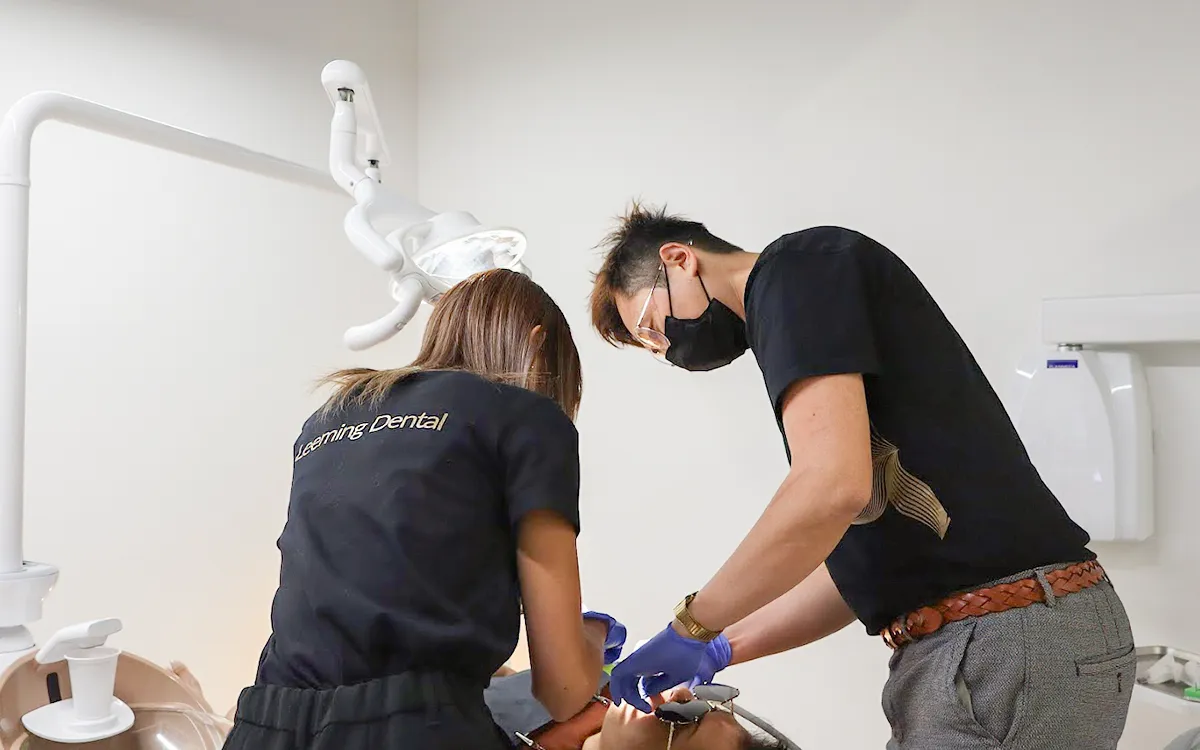
A tooth abscess is your body’s way of waving a big red flag, telling you there’s an infection that needs professional care. Left untreated — or worse, tampered with — it can spread quickly and lead to serious complications. Treat this as a dental emergency and get in to see your dentist as soon as possible.

If you actually have an abscess, stop reading for a moment — call your dentist first. Good. Now that you’ve done that, let’s talk about what’s really going on. We’ll unpack what a tooth abscess is, why it forms, why you should never try to pop it, and the safest, most effective way to get rid of it for good.

What exactly is a tooth abscess?

A tooth abscess forms when bacteria cause an infection inside your tooth or gum, leading to a pocket of pus. In simple terms, it’s your body’s way of fighting back. Your immune system sends white blood cells to the area to battle the infection, which leads to a build-up of pus.

There are two main types you should know about:

Periapical abscess – develops at the tip of a tooth’s root, often due to deep decay, cracks, or trauma that allows bacteria to reach the inner pulp.

Periodontal abscess – forms in the gums beside a tooth, usually as a result of advanced gum disease or trapped food and plaque around the roots.

No matter which type you have, a tooth abscess is your body’s SOS signal — a clear sign that an infection needs professional attention before it spreads or worsens.

tooth abscess

Why you should never pop a tooth abscess

It might be tempting, especially when the pressure builds and the pain becomes unbearable, but here’s the hard truth: popping a tooth abscess is dangerous.

What might seem like a quick fix can actually turn into a serious health risk. Here’s why:

1. You could spread the infection

When you try to squeeze or drain an abscess yourself, bacteria can enter your bloodstream or spread into deeper tissues of your face, jaw, or neck. In severe cases, this can lead to sepsis, a potentially life-threatening infection that affects your whole body.

2. It doesn’t fix the real problem

Even if some pus drains out, the infection inside your tooth or gum doesn’t disappear. The abscess will almost always come back, often more painful and swollen than before. The underlying infection will still be there.

3. You can make things worse

Using sharp objects like pins, needles, or even your fingers can damage your gums and surrounding tissues. You might cause bleeding or open new pathways for bacteria to spread, worsening the infection.

4. You delay proper treatment

Every day you wait or try to “fix it” yourself gives the infection more time to grow. This can lead to tooth loss, bone damage, or the need for more complex dental procedures down the line.

The bottom line: A tooth abscess isn’t something to handle at home. Never pop or drain it yourself — see your dentist as soon as possible. They can safely relieve your pain, treat the infection at its source, and help protect your overall health.

You delay proper treatment

Signs and symptoms you shouldn’t ignore

A tooth abscess doesn’t always look dramatic at first. Some start small with just a bit of gum tenderness or a dull ache, but they can escalate quickly if left untreated.

So how do you know if that swelling is something serious? Here’s what to look out for:

  • Throbbing, persistent toothache that can radiate to your jaw, ear, or neck
  • Swelling in the face, cheek, or jaw
  • Red, shiny, or swollen gums near the affected tooth
  • A small bump or pimple on the gum (which may release pus or fluid)
  • Sensitivity to hot, cold, or pressure when chewing
  • Tender or swollen lymph nodes in the neck or under the jaw
  • Bad taste in the mouth or foul-smelling breath
  • Difficulty opening your mouth, swallowing, or speaking comfortably
  • Fever or general feeling of being unwell (fatigue, malaise)

If you experience any of these symptoms, especially if the swelling spreads or you start to feel unwell, see your dentist urgently or go to your nearest emergency department. Prompt treatment is crucial to stop the infection from spreading and to relieve your pain safely.

How dentists treat a tooth abscess

Thankfully, a tooth abscess is treatable, and with the right dental care, you can recover fully and get back to feeling comfortable again.

Your dentist’s main goal is to remove the source of infection, ease your pain, and prevent it from coming back. Depending on your situation, treatment may involve:

How dentists treat a tooth abscess
  • Draining the abscess safely – Your dentist may make a small incision to release the pus and clean the area, easing the pressure and discomfort.
  • Prescribing antibiotics – To control the infection and stop it from spreading to nearby tissues.
  • Performing root canal therapy – If the infection has reached the inner pulp, your dentist can clean, disinfect, and seal the tooth to save it.
  • Extracting the tooth – In severe cases, when a tooth is too damaged to restore, removing it may be the safest option.

Using modern tools such as digital X-rays, your dentist can pinpoint the source of infection precisely. You really can’t safely do even a fraction of this at home, but with prompt, professional care, most patients feel relief within days and are back to normal before they know it.

How to relieve the pain (while waiting for treatment)

If you can’t see your dentist straight away, there are a few things you can do to manage the pain and swelling safely at home. This is just until you get proper treatment, so please don’t mistake this for a treatment regime. It’s just a few steps to minimise trouble until your dental appointment.

Try these simple steps:

Rinse gently with warm saltwater. This helps keep the area clean and can provide mild relief from discomfort. Avoid vigorous swishing — gentle is best.

Take over-the-counter pain relief, such as ibuprofen or paracetamol, following the directions on the label. These can help ease the pain and reduce inflammation.

Avoid very hot, cold, or sugary foods and drinks. These can irritate the tooth or trigger sharp pain. Stick to softer, neutral-temperature foods until you’re treated.

Keep your head elevated when resting. Lying flat can increase pressure and make the pain throb more, so try propping yourself up slightly when you sleep.

And one important note: don’t apply heat or try to drain the abscess yourself. Both can make the infection spread faster and cause more harm than good.

These tips can help you stay comfortable for the moment, but they’re not a cure. The only way to truly stop the infection is with professional dental care.

Keep your head elevated when resting

Using modern tools such as digital X-rays, your dentist can pinpoint the source of infection precisely. You really can’t safely do even a fraction of this at home, but with prompt, professional care, most patients feel relief within days and are back to normal before they know it.

Prevention is the best way to protect your smile

The truth is, most tooth abscesses don’t start out as big problems. They often begin with something small like a bit of decay, a missed brushing session, or an untreated cavity. Over time, those little issues can snowball into a painful infection.

The best part is that most abscesses are completely preventable with simple, consistent oral care and regular dental visits.

Here’s how to keep your teeth and gums healthy:

  • Brush twice a day with fluoride toothpaste to remove plaque and strengthen your enamel.
  • Clean between your teeth daily using floss or interdental brushes to get rid of food and bacteria your toothbrush can’t reach.
  • See your dentist regularly for check-ups and professional cleans — early detection can stop small problems from turning into major ones.
  • Treat cavities, chips, or gum issues early to prevent bacteria from finding their way deeper into your tooth or gum tissue.
  • Eat a balanced diet and go easy on sugary snacks or drinks, which can feed the bacteria that cause decay.

Keeping up with these habits doesn’t just protect you from abscesses — it helps you maintain a healthy, confident smile for life.

Got a swollen gum? Get it checked!

Tooth abscesses can be painful and worrying. It might be tempting to handle it yourself, but this isn’t a DIY project — let your dentist take care of it.

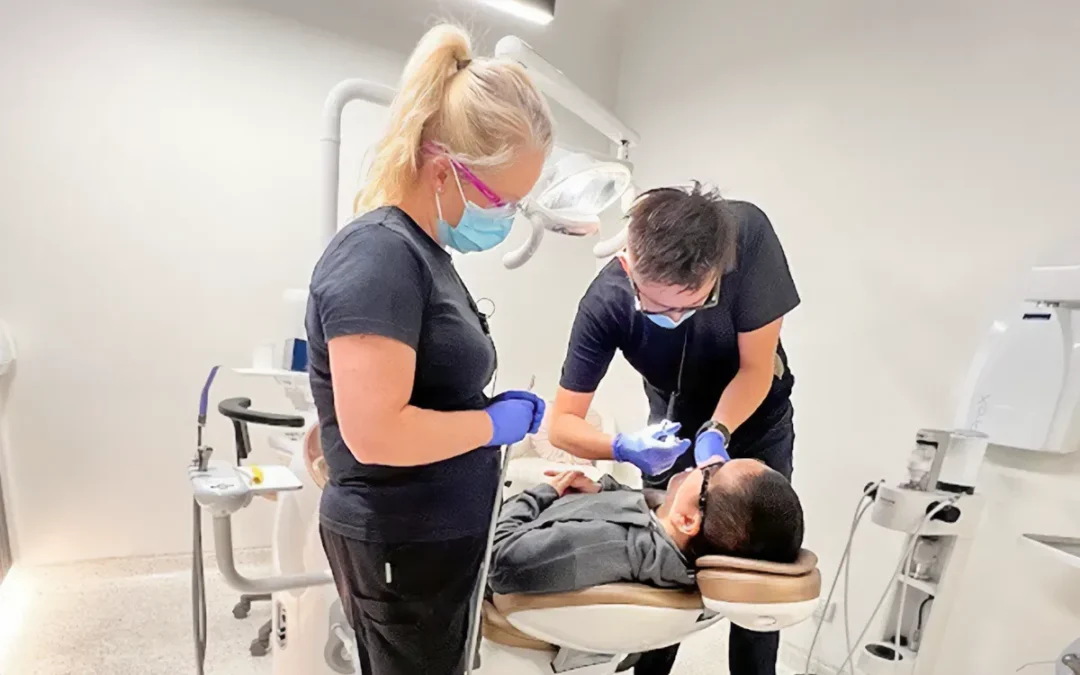
Your dentist has the right tools, training, and gentle touch to relieve your pain safely and treat the infection at its source.

If you notice swelling, tenderness, or an unusual lump in your mouth, book an appointment as soon as possible. Prompt treatment and good oral hygiene habits can stop infections and other issues before they start, so your teeth and gums stay healthy today and far into the years ahead.

Got a swollen gum? Get it checked!

Professional dental hygiene appointments in 8 steps

Professional dental hygiene appointments in 8 steps

You’ve circled the date, and now it’s here. Time for your dental hygiene appointment. But what really happens once you’re in that chair?

It’s easy to think of these visits as just a minor clean to tick off your to-do list if time allows. In reality, they’re one of the most powerful tools for protecting your smile and your health. Far beyond a surface polish, a professional dental hygiene appointment is a deep dive into your mouth’s well-being. This is your pro-level frontline defence against decay, gum disease, and more.

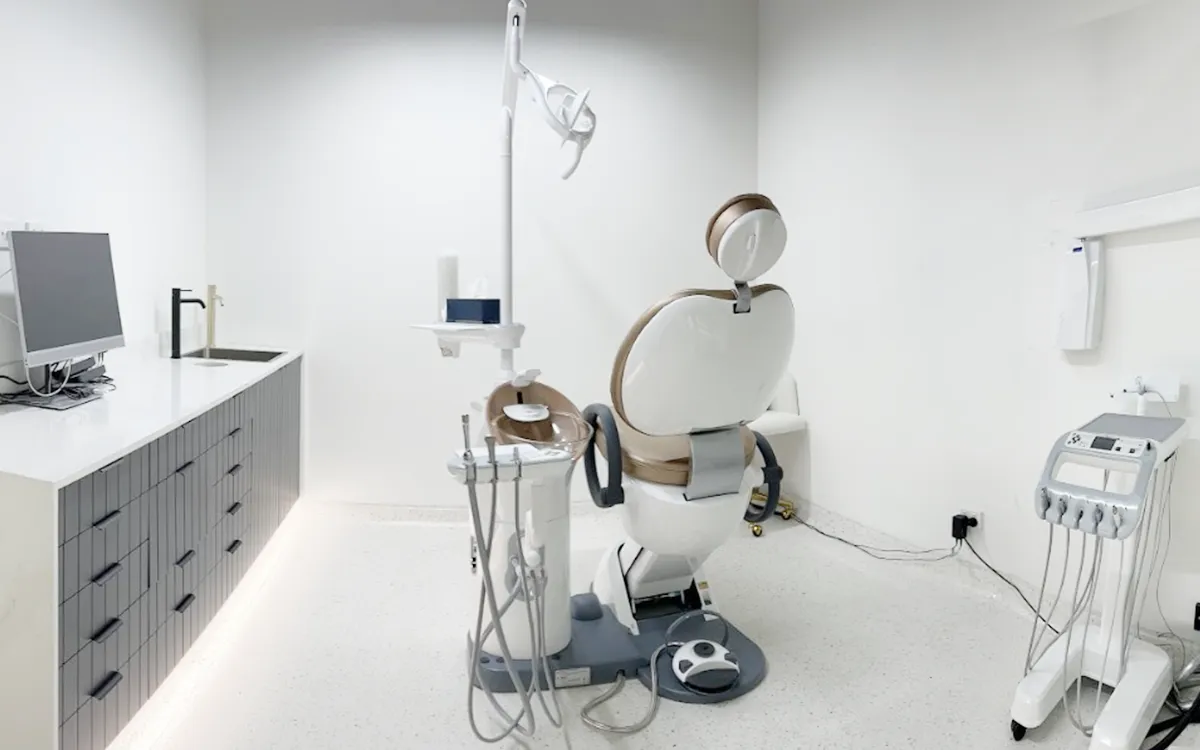
In our calm and comfortable treatment room, your dental team checks for early signs of issues you can’t see or feel yet, removes stubborn buildup that even the best toothbrush can’t handle, and tailors advice to help you keep your teeth strong for life.

Curious or even a bit anxious? Understanding what happens during your visit helps you appreciate the care and science behind it. Each appointment does more than clean your teeth. It helps maintain your long-term health.

Why bother with professional dental hygiene appointments?

Brushing and flossing at home are essential, but they’re not enough on their own. No matter how meticulous your daily routine is, plaque can still accumulate in areas your toothbrush and floss can’t reach. Over time, this plaque hardens into tartar, which can only be removed with specialised periodontal tools like an ultrasonic scaler or Airflow. That’s where your dental hygienist comes in.

But dental hygiene appointments go far beyond just cleaning your teeth. They play a vital role in maintaining your overall health. Here’s how:

  • Prevent gum disease: a common yet often silent condition that can cause gum recession, bone loss, and even tooth loss if left untreated
  • Catch early signs of trouble: cavities, infections, and even oral cancer are easier to treat before they become painful or complex
  • Freshen breath and brighten smiles: buildup and stains which can’t be fixed by brushing at home can be professionally removed
  • Support your whole-body health: Poor oral health has been linked to systemic issues like heart disease, diabetes, and respiratory infections
Professional dental hygiene

Rather than seeing your dental visit as just another task, think of it as a vital check-in for your health. It’s a proactive step that helps you stay ahead of potential problems and feel confident in your smile. This is simple yet powerful care which protects your body from the inside out.

Your dental hygiene appointment in 8 steps

A typical dental hygiene visit takes about 30 to 60 minutes, depending on your oral health needs. Here’s a step-by-step breakdown of what happens:

1. Personalised medical and dental history review

Your hygienist will start by checking in on your general health and updating your medical history. Any new medications, recent illnesses, or health conditions, like diabetes or pregnancy, can affect your mouth, so it’s important to share even seemingly unrelated details.

They may also ask about sensitivity, bleeding gums, dry mouth, or any concerns you’ve noticed.

2. Preliminary oral examination

Before cleaning begins, a visual inspection is done using a small mirror and light. The hygienist checks for:

  • Inflamed or receding gums
  • Signs of gum disease (like bleeding or deep pockets)
  • Tooth decay
  • Plaque and tartar deposits
  • Early signs of oral cancer, sores, or other abnormalities

If anything concerning is found, the dentist may be brought in for a closer look.

3. X-rays (if needed)

Depending on how long it’s been since your last images, or if new symptoms are present, you might have X-rays taken. These help detect:

  • Cavities between teeth
  • Bone loss from gum disease
  • Impacted teeth
  • Cysts, abscesses, or hidden infections

Modern digital X-rays are quick, safe, and provide valuable diagnostic insight.

4. Oral pathogen testing (additional preventive care by Leeming Dental)

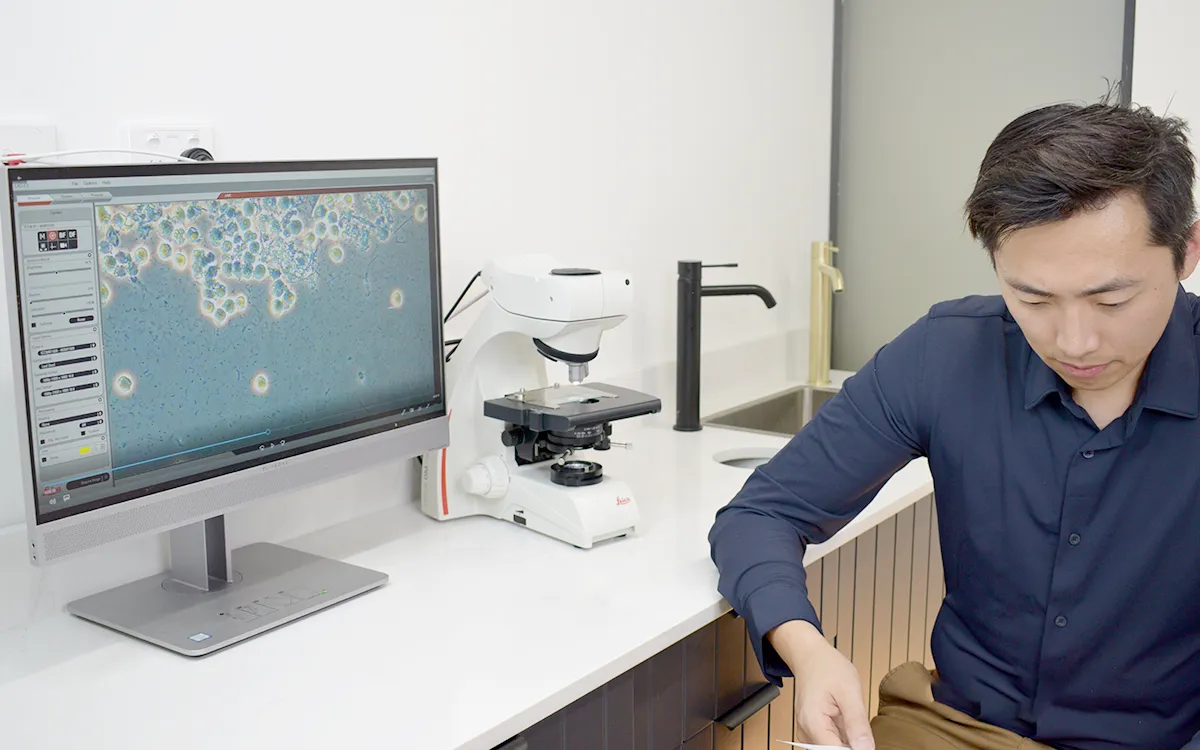
Oral pathogen tests help detect harmful bacteria that may be silently contributing to gum disease, decay, or even chronic disease. This test could play a role in reducing your risk of heart disease, diabetes and even Alzheimer’s disease. When you get an oral pathogen test, we determine your current oral pathogen density and review your previous history to track changes over time.

Leeming Dental is proud to be the leading clinic in Perth to offer this advanced screening. It’s an additional procedure that provides valuable insights into your oral health beyond what can be seen during a regular checkup.

Oral pathogen testing
5. Dentist checkup

If your appointment includes a comprehensive exam, the dentist will:

  • Review your X-rays and the hygienist’s findings
  • Examine your teeth, gums, bite, and jaw
  • Look for signs of grinding, misalignment, or TMJ issues
  • Discuss any treatment recommendations or questions you may have

If your dentist identifies anything that could help optimise your oral health, they’ll explain what’s happening and walk you through your options. You’ll have clear guidance and support to make the best choices for your wellbeing.

6. Professional dental cleaning

This is the heart of your hygiene visit. The goal is to thoroughly remove plaque, tartar, and surface stains to keep your gums healthy and prevent future issues.

At Leeming Dental, we offer both traditional cleaning methods and the advanced Airflow Prophylaxis Master system. Traditional tools such as manual and ultrasonic scalers effectively remove stubborn deposits, while Airflow uses a gentle stream of air, warm water, and fine powder for a more comfortable and efficient clean. Airflow is particularly suited for patients with sensitivity or dental work such as crowns, bridges, or implants, and delivers exceptional stain removal for a smoother, brighter finish.

Whether you prefer a traditional clean or the comfort of Airflow, our team will tailor your hygiene experience to your needs, helping you maintain a healthy, confident smile.

This is the heart of your hygiene visit. The goal is to thoroughly remove plaque, tartar, and surface stains from your teeth to keep your gums healthy and prevent future issues.

Many dental clinics still use traditional tools, such as manual or ultrasonic scalers, to effectively remove deposits. But some modern practices now offer Airflow Prophylaxis Master—a cutting-edge system that uses a controlled stream of air, warm water, and fine powder to clean teeth and gums more comfortably and efficiently. It’s particularly gentle for patients with sensitivity or dental works (e.g., crown, bridge, or implants) and provides excellent stain removal.

If you like your clean to be gentle and comfortable, we’ve got you covered. Leeming Dental offers both traditional methods and the advanced Airflow Prophylaxis Master system, so you can choose the approach that best suits your needs.

7. Professional flossing

Your hygienist will floss between each tooth to remove any remaining debris and evaluate your gum response. They may also give you tips or demonstrate better techniques if needed.

8. Fluoride treatment (optional but recommended)

To strengthen enamel and reduce the risk of future decay, many dental practices offer a fluoride treatment at the end of the cleaning. It’s especially beneficial for those with a history of cavities, sensitive teeth, or kids and teens with developing smiles.

Fluoride can come as a varnish, foam, or gel and takes just a few minutes to apply.

9. Oral health education & personalised advice

One of the most valuable parts of a hygiene visit is the professional advice you receive. Your hygienist may discuss:

  • Proper brushing and flossing techniques
  • The right toothbrush or flossing tools for your needs
  • Lifestyle or dietary habits affecting your oral health (like snacking, smoking, or acidic drinks)
  • Any early warning signs to watch for

This isn’t one-size-fits-all advice—it’s tailored to your specific needs.

Keep your smile on track between visits

Lock in the benefits of your cleaning by following these daily habits:

  • Brush twice a day for two minutes with fluoride toothpaste
  • Floss or clean between teeth daily
  • Use an antibacterial or fluoride mouthwash if recommended
  • Limit sugary and acidic foods and drinks
  • Stay hydrated and avoid smoking
  • Schedule checkups every 6 months—or as advised by your dental team
Leeming dental office

Clean teeth, clear conscience

A hygiene appointment does more than polish your teeth. It protects your health, your comfort, and your confidence for years to come. These visits catch problems early, prevent costly treatment later, and keep your mouth and body working in harmony.

When you stay consistent with your hygiene appointments, you can skip ahead of issues before they start. This keeps you feeling fresh, healthy, and in control.

So when that reminder pops up, don’t grumble and push it to ‘later’. Smile your whole way to Leeming Dental knowing you’re prioritising something that truly matters — you.

What does healthy gums look and feel like?

What does healthy gums look and feel like?

Do your gums ever feel a little tender or swollen? Healthy gums do more than just keep your smile looking good; they’re the bedrock of good oral health. Strong gums support your teeth, keeping them firmly in place and acting as a barrier against harmful bacteria. But how can you tell if your gums are functioning at their best?

How healthy gums look

Colour: The colour of healthy gums varies from person to person. For people with lighter skin tones, healthy gums typically have a light pink colour, while healthy gums of people with darker skin may be darker pink, brown or even black. This diversity is completely normal and, on its own, doesn’t indicate any health issues. Additionally, the colour of our gums may also change over time with natural hormonal shifts, such as those related to menstruation or menopause, or in response to medication use.

Shape and fit: Healthy gums should snugly wrap around your teeth, forming a tight seal like a perfectly fitted glove. This means there are no gaps or spaces between your teeth and gums. These spaces can trap food and bacteria, potentially leading to gum disease.

Healthy Gums

Texture: Healthy gums feel firm and smooth when you touch them, softer than the roof of your mouth but firmer than the inside of your cheek. If you gently run your finger along your gumline, you should feel a slightly ridged surface that follows the shape of your teeth. They exhibit firm elasticity, such that if you apply light pressure with the pad of a clean finger, they immediately regain their shape when you take your finger away. This texture and resilience are essential parts of the gum tissue’s role in maintaining oral health and stability.

Healthy Gums

How healthy gums feel

Healthy gums should feel strong and springy to the touch, not soft or squishy. They should not be tender, sore or bleed easily.

When brushing and flossing, there shouldn’t be any pain or bleeding. However, if you’re new to flossing, you might experience some minor bleeding for the first few days. This is because you’re disturbing plaque buildup that can irritate your gums. This bleeding should subside completely as you establish a flossing routine and your gums become healthier. If the bleeding persists after a week or two, it’s important to consult your dentist to rule out any underlying issues.

Signs of unhealthy gums

Healthy gums shouldn’t show any of the following signs. If you notice any of these, it could be a sign of gum disease. Early intervention is key, so be sure to consult your dentist if you experience any of these symptoms:

Do your gums look redder or darker than usual?

While gums can differ in natural colour, a sudden change towards redness, inflammation or even darker colours like purple can be a warning sign. This redness suggests irritation or infection and could mean your gums are fighting off harmful bacteria.

Do your gums look redder or darker than usual?

While gums can differ in natural colour, a sudden change towards redness, inflammation or even darker colours like purple can be a warning sign. This redness suggests irritation or infection and could mean your gums are fighting off harmful bacteria.

Do your gums look redder or darker than usual?

While gums can differ in natural colour, a sudden change towards redness, inflammation or even darker colours like purple can be a warning sign. This redness suggests irritation or infection and could mean your gums are fighting off harmful bacteria.

Do your gums look redder or darker than usual?

While gums can differ in natural colour, a sudden change towards redness, inflammation or even darker colours like purple can be a warning sign. This redness suggests irritation or infection and could mean your gums are fighting off harmful bacteria.

dark bleeding gums
Do your gums look redder or darker than usual?

While gums can differ in natural colour, a sudden change towards redness, inflammation or even darker colours like purple can be a warning sign. This redness suggests irritation or infection and could mean your gums are fighting off harmful bacteria.

Do your gums look redder or darker than usual?

While gums can differ in natural colour, a sudden change towards redness, inflammation or even darker colours like purple can be a warning sign. This redness suggests irritation or infection and could mean your gums are fighting off harmful bacteria.

Do your gums look redder or darker than usual?

While gums can differ in natural colour, a sudden change towards redness, inflammation or even darker colours like purple can be a warning sign. This redness suggests irritation or infection and could mean your gums are fighting off harmful bacteria.

Have you noticed pus coming from between your gum and tooth?

This is a clear sign of advanced gum disease. Pus indicates a serious infection that requires immediate dental attention to prevent further complications and potential damage to the bone supporting your teeth.

What is gum disease?

Gum disease, also known as periodontal disease, occurs due to the accumulation of plaque, a sticky film that contains bacteria. If plaque isn’t removed through regular brushing and flossing, it can harden into tartar (calculus) like cement on the teeth, making it much harder to remove. This irritates the gums and creates the perfect environment for more bacteria to grow. Here’s how gum disease progresses through different stages:

dark gums

Gingivitis: This is the earliest and most reversible stage of gum disease. Gums become inflamed, red and may bleed easily during brushing or flossing. You might also experience bad breath at this point. With good oral hygiene and professional cleaning, gingivitis can be completely reversed.

Moderate periodontitis: As the disease progresses, the pockets between the teeth and gums become deeper, and more bone loss occurs. Teeth may become loose and sensitive, and chewing may become difficult. Loose teeth can also shift, causing problems with your bite. Treatment options at this stage may involve additional deep cleaning procedures or gum surgery to reshape the gum tissue and remove tartar deposits.

Early periodontitis: If gingivitis is left untreated, the infection spreads deeper into the gums and jawbone. Pockets form between the teeth and gums, trapping more plaque and bacteria. The gums may start to recede or pull away from the teeth, exposing the tooth root and potentially increasing tooth sensitivity. At this stage, some bone loss may occur. Treatment from a dentist, including scaling and root planing (deep cleaning), is necessary to control the infection.

Advanced periodontitis: Significant bone loss has occurred in the most severe stage, and the teeth may become very loose or even fall out. Additionally, advanced gum disease can damage the jawbone, potentially impacting your general health. Treatment becomes more complex and may involve surgery, bone grafting or even tooth extraction.

The good news is that gum disease is preventable and treatable in its early stages. Practicing good oral hygiene and scheduling regular dental checkups can keep your gums healthy and your smile strong.

Why maintaining healthy gums matters

Healthy gums are part of the bedrock that supports your overall health. Research has linked gum disease to serious chronic health issues like heart disease, diabetes and Alzheimer’s disease. Healthy gums also support effective chewing, which aids in proper digestion and nutrient absorption. Taking care of your mouth goes beyond aesthetics; it’s a vital investment in your long-term health and quality of life.

Tips for maintaining healthy gums

Brushing: Brush your teeth twice a day with fluoride toothpaste for two minutes, using a soft-bristled brush. Gently massage the gumline at a 45-degree angle to remove plaque and stimulate blood flow.

Flossing: Floss daily to remove plaque and bacteria from between your teeth and along the gumline. You can use string floss, a water flosser or interdental brushes — whichever you find most comfortable and effective.

Dental check-ups: Visit your dentist regularly, ideally every six months, for professional evaluation and cleaning. Stay proactive!

Balanced diet: Eat a balanced diet rich in fruits, vegetables, dairy products and whole grains. These foods provide essential vitamins and minerals like vitamin C and calcium, which are important for gum health. Limit sugary snacks and drinks to reduce the risk of tooth decay and gum disease.

Prioritise Your Gum Health

Regular dental visits, a nutritious tooth-friendly diet and a comprehensive oral care routine will help ensure your gums and teeth remain strong and healthy for the longest time. If you notice changes in your gums, such as redness, swelling, bleeding, or pain, consult your dentist right away to prevent minor issues from becoming serious. Keep in mind that your gum health is foundational to your beautiful smile and overall well-being!