CDBS 2022-2023 Dental Treatment Schedule

CDBS 2022-2023 Dental Treatment Schedule

The Child Dental Benefits Schedule (CDBS) was introduced back in 2014 to provide financial support for eligible children aged 2-17 years old to receive essential dental services. This benefit covers the cost of preventative and restorative dental treatments up to a maximum cost of $1,000 over a consecutive 2 years period.

70% of eligible children are missing out on $1000 dental treatment

According to the University of Queensland and Telethon Kids Institute research, 70% of children from low income families are either unaware or not using the CDBS. This has impacted on the oral health of Aussie children with approximately 26,000 kids hospitalised annually for mostly preventable dental conditions. With many frontline dentists being sidelined because of Covid-19 restrictions across Australia, 2020 & 2021 has seen a dramatic drop in preventative dental visits. This could result in delayed diagnosis, deferred treatment, and long-term dental disease problems for Australian children (and adults) in years to come. UQ researchers have recommended that timely eligibility reminders and redesigning eligibility letters to look more like vouchers are what are needed – to get the message out.

CDBS service rebates set to increase in 2022-2023

As of 1 January 2022, CDBS will allocate $1,013 for eligible children to spend on dental services over a consecutive 2 year period, while on 1 January 2023 that amount will increase to $1,026. The CDBS covers a wide range of preventative and restorative treatments not including cosmetic dental. They include:

  • Regular dental exams/check-ups
  • Clean, polish & scale
  • Digital x-rays
  • Fillings
  • Fissure sealants
  • Tooth extractions
  • Root canal treatment

Leeming Dental welcomes CDBS-eligible families

The easiest way to find out if your family is eligible for the CDBS is to call the Medicare General Enquiries line on 132 011 or to access your Medicare my.gov.au account. Another quick indication of eligibility is if you have a current Medicare card. If your children are eligible, simply contact Leeming Dental to schedule a dental appointment. We can examine, assess and recommend suitable treatment options to treat their dental issues. All CDBS treatment is bulk billed so you won’t have to make any out-of-pocket payments. For all CDBS-related enquiries, call our helpful reception on 08 9310 3367 for assistance.

Why are healthy gums so important for a healthy heart

Why are healthy gums so important for a healthy heart

Having a healthy heart largely depends on your lifestyle and diet. If you eat a lot of unhealthy food, don’t exercise, smoke, drink too much alcohol and/or suffer from hypertension, your risk of cardiovascular disease (CVD) is greatly increased. On the other hand, following a healthy diet (high in anti-oxidants) and exercising daily can reduce the risk factors for CVD. But how does oral health count as a risk factor?

The links between gum and heart disease

There is mounting clinical evidence that show gum disease (periodontitis) is strongly linked to a number of cardiovascular diseases, including:

  • heart disease (coronary artery disease)
  • heart attack (myocardial infarction)
  • cerebrovascular disease – affecting blood supply to the brain
  • stroke (cardioembolic and thrombotic)
  • peripheral artery (or vascular) disease
  • atrial fibrillation (heart arrhythmia)
  • heart failure

Research scientists have discovered that patients with chronic gum disease (periodontitis) have a higher risk for a number of medical conditions associated directly with CVD. These include:

  • endothelial dysfunction
  • increased risk of narrowing of the arteries (atherosclerosis)
  • inflammation

Why does gum disease affect cardiovascular health?

Gum disease or periodontitis affects cardiovascular health for a number of possible reasons, most of which involve the pathogenic bacteria (pathogens) associated with gum disease. These pathogens can migrate from the gums to other parts of the body via the body’s nervous system and blood stream. The presence of these pathogens, including the insidious Porphyromonas gingivalis, in your bloodstream can result in a larger build-up of calcium, fats and other materials on your arterial walls. This increase can fast track you towards atherosclerosis – and ultimately CVD. The same pathogens can also generate antibodies that directly affect your cardiovascular system, leading to the onset of CVD. Then there are the continual inflammation events and cytokine storms as a result of a chronic gum infection. These can have an adverse effect on your heart and general health as well.

What oral health practices can help prevent cardiovascular disease?

Maintaining good oral health is essential to lower your risk of heart-related health issues. Remember to brush your teeth twice a day. Use floss or interdental brushes to clean the spaces between your teeth. Last, but not least, visit your dentist twice a year for a check-up, so that any early signs of gum disease or periodontitis can be treated promptly.

Why are healthy gums so important for a healthy heart
The oral bacteria that destroy your brain’s nerve cells

The oral bacteria that destroy your brain’s nerve cells

Oral Bacteria

Oral Bacteria

The oral bacteria that destroy your brain’s nerve cells

According to a recently published study conducted by the University of Bergen, Norway, certain oral bacteria play a “decisive” role in the development of Alzheimer’s in an individual.

In a news statement released on June 3, 2019, lead researcher Piotr Mydel stated that his team had discovered clear DNA-based proof that gingivitis-causing bacteria can move independently from the oral cavity to brain tissue. The bacteria travel via the close network of blood vessels and nerve fibres that connect the two areas of the head.

Once the oral bacteria are in the brain, they excrete protein and enzyme by-products that can go on to destroy the brain’s nerve cells. When nerve cells of the brain die, the result can be memory loss – and potentially Alzheimer’s.
While there are multi-factor causes of Alzheimer’s, Mydel believes that the presence of these bacteria in the brain significantly heightens your risk of developing the disease and can speed up its progress.

Eliminate P.gingavalis from your body

oral pathogen test

With clinical evidence mounting, it’s inevitable that P.gingavalis will make it onto the high risk factors list for Alzheimer’s in the future. However, you wouldn’t want this dangerous pathogen to silently wreak havoc in your brain and other parts of your body – at anytime.

While the Norwegian researchers have focused on developing drugs that block the harmful by-products of P.gingavalis, it’s a far better strategy to prevent these bacteria from entering your brain in the first place. The best way to achieve this goal is to maintain a proper oral health care and hygiene routine along with regular dental checkups.

P.Gingavalis – the creepy crawler in the brain

The oral bacteria in question have been identified by the Norwegian research team to Porphyromonas gingivalis – or P.Gingavalis for short. This oral bacterium is one of the main culprits responsible for gum disease, and has been linked to a number of general health conditions, including diabetes, strokes, oral cancer, rheumatoid arthritis and chronic obstructive pulmonary disease (COPD).

The Norwegian study backed up the findings of a similar UK study published in 2014. In this study, English researchers concluded that the same bacteria species and its by-products were responsible for a repeated immune response that caused the death of brain neurons, as well as nerve cells.

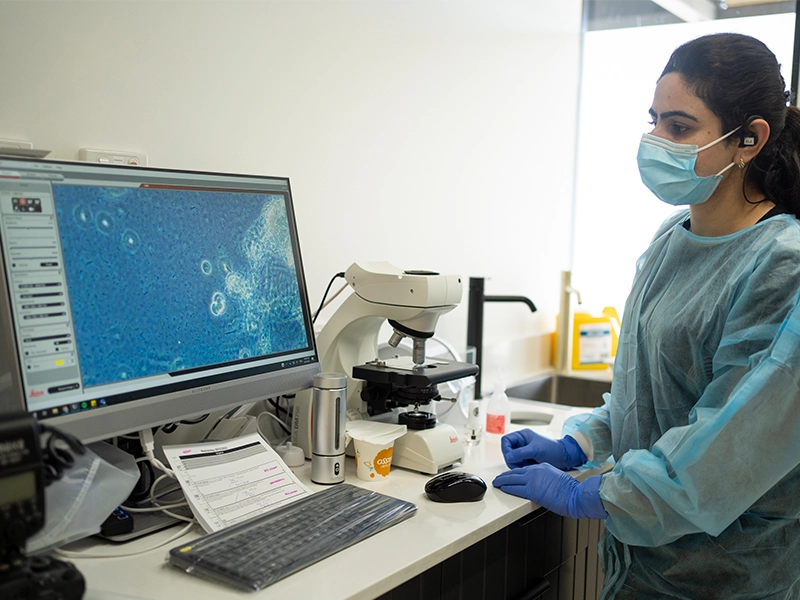
But how can you be sure? It’s easy. To identify and eliminate P.gingavalis & co from your body, all it takes is a simple saliva test right here at Leeming Dental. In fact, we are the ONLY providers of Oral DNA testing in West Australia.

Once we submit your sample, it is tested and an Oral DNA test lab report lists all pathogenic bacteria detected in your saliva. With this crucial information, we are able to customise a 100% effective antibiotic treatment that will eliminate the harmful bacteria present in your body.

Take your oral DNA test at Leeming Dental

For more information or to schedule a consultation, call our friendly, helpful reception at Leeming Dental on 08 9310 3367. In the meantime, brush and floss your teeth daily!

References:

Stephen S. Dominy, Casey Lynch, Florian Ermini, Malgorzata Benedyk, Agata Marczyk, Andrei Konradi, Mai Nguyen, Ursula Haditsch, Debasish Raha, Christina Griffin, Leslie J. Holsinger, Shirin Arastu-Kapur, Samer Kaba, Alexander Lee, Mark I. Ryder, Barbara Potempa, Piotr Mydel, Annelie Hellvard, Karina Adamowicz, Hatice Hasturk, Glenn D. Walker, Eric C. Reynolds, Richard L. M. Faull, Maurice A. Curtis, Mike Dragunow, Jan Potempa. Porphyromonas gingivalis in Alzheimer’s disease brains: Evidence for disease causation and treatment with small-molecule inhibitorsScience Advances, 2019; 5 (1): eaau3333 DOI: 10.1126/sciadv.aau3333

Can oral bacteria cause Alzheimer’s disease?

Can oral bacteria cause Alzheimer’s disease?

Can oral bacteria cause Alzheimer’s disease?

Can oral bacteria cause Alzheimer’s disease?

Find out what the UK researchers are saying

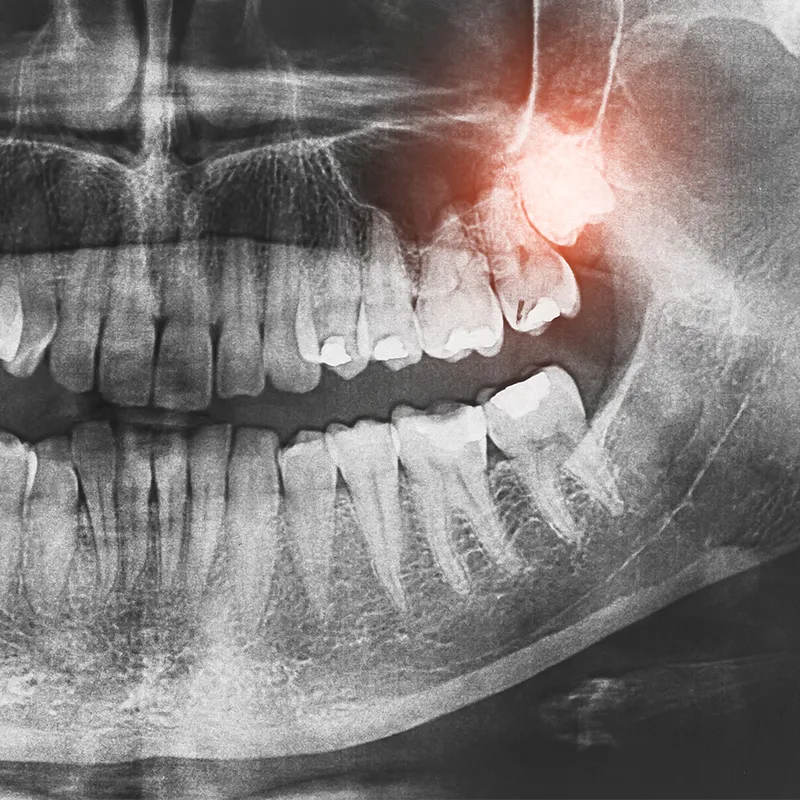
If you have poor oral hygiene, you are at a higher risk of a number of oral health issues such as plaque, tartar, tooth decay, cavities and chronic gum disease (periodontal disease). Inadequate oral hygiene opens the door to potentially hundreds of pathogenic oral bacteria to your teeth and gums.

Other health consequences

Oral health issues may be only one of the consequences of allowing pathogenic oral bacteria to develop in your oral cavity. A number of clinical studies in recent years have established links between certain species of oral bacteria and Alzheimer’s disease.

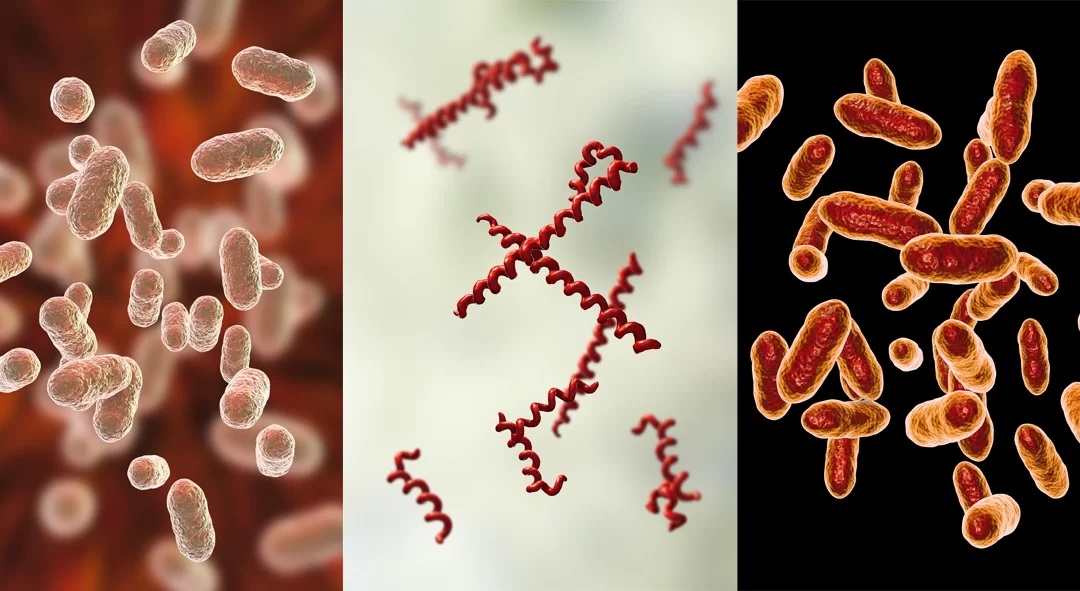
These oral bacteria have the ability to migrate and colonise your brain tissue. The three main culprits identified so far are Porphyromonas gingivalis, Treponema denticola, and Tannerella forsythia. Check them out (in order).

These nasty little critters can infiltrate and infect your gums and even your jawbone – like termites in wood. Additionally, these bacteria can travel around your body and enter your brain on a regular basis.

How might oral bacteria trigger the onset of Alzheimer’s?

More studies need to be conducted to find a causative link between the suspect bacteria and Alzheimer’s disease. However, the UK researchers are working with the theory that if the brain is exposed repeatedly to these oral bacteria and their by-products, the subsequent immune response may result in death of neurons in the brain area associated with memory, as well as nerve cell death.

Only Alzheimer’s patients had the oral bacteria present in their brains

When the UK scientists tested non-Alzheimer’s patients for the bacteria, they discovered that none had the suspect bacteria present in their brain tissue, whereas all of the patients with Alzheimer’s disease did.

How can pathogenic oral bacteria be identified & eliminated from your body?

At present, the diagnosis and treatment of pathogenic oral bacteria can only be performed via an oral bacteria DNA test and anti-biotic treatment. Root planing, a dental treatment used to deep clean between the teeth and gums, is a treatment method that can only remove the plaque and calculus in those areas.

oral pathogen test for oral bacteria

Oral bacteria that can crawl their way into your brain

In 2014, UK scientists were first able to identify the presence of the three oral bacteria (listed above) in the brain tissue of living Alzheimer’s patients. The researchers established that at least two of the bacteria – once firmly established in the oral cavity – had the ability and versatility to enter the brain via two different pathways.

The first pathway was via the bloodstream where they could attach to red blood cells, and travel directly into the brain – where they get off because there are no immune checkpoints. What this means for patients with bleeding gums, is that every time they brush their teeth or eat food, a fresh influx of bacteria can enter the bloodstream and reach the brain in a matter of seconds.

The second pathway came as a surprise to the UK researchers. Since the bacteria are motile (capable of motion), they were able to “crawl” their way to the brain via the nerves that connect tooth roots to the brain – a short distance of a several centimetres.

References:

Singhrao, S. K., Harding, A., Poole, S., Kesavalu, L., & Crean, S. (2015). Porphyromonas gingivalis Periodontal Infection and Its Putative Links with Alzheimer’s Disease. Mediators of inflammation, 2015, 137357.

Poole, S., Singhrao, S. K., & Crean, S. J. (2014). Emerging evidence for associations between periodontitis and the development of Alzheimer’s disease. Faculty Dental Journal, 5(1), 38-42. doi:10.1308/204268514×13859766312719

Australian child oral health habits in 2018

Australian child oral health habits in 2018

In January 2018, the Online Research Unit of The Royal Children’s Hospital, Melbourne conducted a national survey of 2,073 parents or caregivers. The randomly selected survey group reflected Australian population figures, with data collected from 3,992 children including infants, toddlers, preschoolers, primary school-aged children and teenagers. The RCH report – published on 7 March, 2018 – revealed a dismal state of affairs regarding the oral health, habits and care of Australian kids, with many doctors and dentists shocked by the results. The survey addressed the following six key areas in relation to the oral health and dental habits of Aussie kids. We have included the key findings of the survey within each area.
  1. Dental visits
    1. The Australian Dental Association (ADA) recommends that all children visit a dentist by age one. 77% of parents were not aware of this recommendation and 83% of all children had not visited a dentist by age two. 33% of preschoolers (aged 3 -5) had never seen a dentist.
    2. The ADA recommends that children should visit a dentist once or twice a year. 22% of primary school kids and 25% of teens had not seen a dentist in the past year.
  2. Oral care
    1. The ADA recommends that all children brush their teeth twice a day. 33% of all children did not clean their teeth twice daily. 28% of parents believed that brushing once a day was adequate.
    2. The ADA recommends that parents supervise and assist children aged 8 and under to brush their teeth correctly. 25% of parents rarely or never assisted their child.
  3. Dietary risks: Food and drinks
    1. Consumption of sugary drinks affects oral health. 25% of parents believed that tooth decay is inherited and is not affected by tooth brushing and diet. Over 50% of children consumed sugary drinks regularly.
    2. 23% of children aged 5 years and under fell asleep drinking from a bottle containing a sugary drink on most days. 50% of parents knew tap water is better for oral health than bottled water.
  4. Oral disease and tooth decay
    1. In the past year, 25% of all children had received a filling for decay or cavities; 19% of preadolescents had experienced toothache; 10% had a tooth extraction due to cavities or decay; 8% were hospitalised or sedated for a dental procedure; and 16% of parents believed that tooth decay was harmless to young children.
  5. Dental emergencies
    1. 58% of parents did not know how to administer first aid for knocked out teeth.
    2. 35% of oral injuries occurred during sports, and 49% of those children wore a mouthguard.
  6. Accessing the Children Dental Benefit Scheme (CDBS) that provides a $1000 benefit for child dental services
    1. 32% of parents were not sure if their child was eligible for the CDBS.
    2. 49% of parents were not aware of the CDBS or any other free or government funded dental benefits.
    3. 76% of preschoolers did not access the CDBS or any other free government funded dental services.
    4. 53% of school-aged children did not access the CDBS or any other free government dental services.
Australian child oral health habits in 2018

What are the implications?

According to the report, tooth decay during childhood is the strongest indicator of poor oral health outcomes in adults. Health professionals, educators and policy makers will need to play a more active role to help educate and guide Australian parents and kids on the correct path towards good oral health. Parents and caregivers also need to ensure that their children develop good oral care habits, access regular dental checkups, and utilise the free child dental benefits provided by the Australian Government if they are eligible.

Reference

Rhodes, A. (2018). Child oral health: Habits in Australian homes. Retrieved from The Royal Children’s Hospital, Melbourne website: https://www.rchpoll.org.au/wp-content/uploads/2018/03/NCHP10_Poll-report_Child-oral-health.pdf

Interdental brushes more effective than flossing

Interdental brushes more effective than flossing

The latest interdental brushes have proved to be far more effective at cleaning the interdental spaces between your teeth than flossing – according to new research by Prof. Denis Bourgeois and his research team at the University of Lyon, France. Until recently, interdental brushes were only recommended for cleaning large interdental spaces – while dental floss was more suitable for very small spaces. In fact, dental floss and toothpicks have been the only tools available for most people to clean these spaces. Not anymore.

With the development of interdental brushes that can now access spaces with a width of 0.6 mm, these revamped oral health tools are set to render flossing obsolete. Prof. Bourgeois says, “Dental floss used to be the common tool for narrow spaces. However, dental floss is no longer preferred, as its use is not supported by conclusive scientific evidence. For interdental brushes, we have scientific evidence. Interdental brushes have now become the best tool for cleaning interdental spaces.” Even the U.S. Department of Health and Human Services has recently removed their recommendation to floss your teeth daily from their Dietary Guidelines for Americans.

And a recent dental report questioned the effectiveness of flossing since there is no actual conclusive clinical evidence to prove it. New generation interdental brushes, on the other hand, were clinically proven in the French study to remove 16 billion bacteria on average from each interdental site (between teeth) alone. So why are the latest interdental brushes so effective? Because they can reach critical areas of bacterial contamination on your tooth surfaces that flossing cannot.

Dental floss is still recommended for use on teeth with one root (incisors and canines), but not for your other teeth with two or three roots (molars). These teeth have hard-to-reach surfaces (within interdental spaces) that aren’t necessarily flat nor curved – often they are irregular. For example, a molar tooth with a concave surface cannot be cleaned thoroughly with dental floss because the floss completely misses the depression. Whereas an interdental brush can access all the nooks and cranies of your molars by completely filling the interdental spaces between them with hundreds of super fine bristles – thus removing almost all plaque.

Interdental brushes more effective than flossing

It’s easy to determine the type of interdental brush that you’ll need. Your dentist simply measures the spaces between your teeth with a special probe after which they can advise you on the correct sized brush to use. The French researchers used the interdental brushes of the Swiss oral health care brand CURAPOX. They also noted that the test patients in the study responded positively to using these brushes. Source: “Access to Interdental Brushing in Periodontal Healthy Young Adults: A Cross-Sectional Study.” PLoS ONE 11(6): e0158252. doi:10.1371/journal.pone.0158252