Solving the “grey tooth” mystery with internal bleaching

Solving the “grey tooth” mystery with internal bleaching

The “grey tooth” mystery and how internal bleaching helps

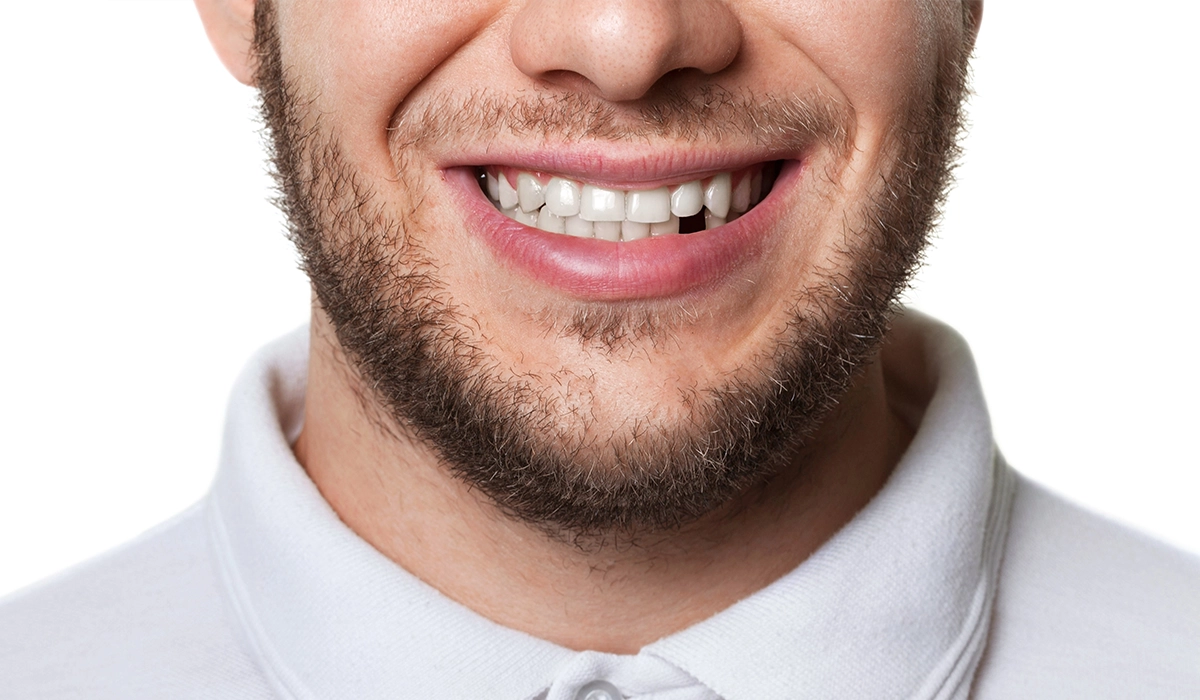
Ever caught your reflection and noticed one tooth looking darker than the rest? It can feel unfair, especially when you’re doing everything correctly with your brushing, flossing, even whitening, yet that one tooth still refuses to blend in. This happens more often than you’d think, and while it can affect how you feel about your smile, treatments like internal bleaching mean it’s not something you have to live with.

A “grey tooth” can appear for a few different reasons — sometimes after an injury (even one from years back), or following certain dental treatments like a root canal. The good news is, there are safe and effective ways to brighten it again. And once you understand why it happens and how dentists can lighten a tooth from the inside, you’re already closer to bringing back a natural, even-toned smile.

The mystery of the single dark tooth

A single grey or dark-looking tooth can feel like a bit of a head-scratcher, especially when the rest of your teeth look healthy and bright. In many cases, this colour change starts from inside the tooth rather than on the surface, which is why normal whitening products don’t work. One of the most common reasons is a past root canal treatment — the tooth may have been saved from infection, but over time it can slowly lose its natural brightness. In some people, the darkening can take months or even years to appear, making it feel like it happened “out of nowhere.”

While it can be surprising or even frustrating, it’s not usually a sign that the tooth is failing or needs to be removed. Thanks to modern cosmetic and restorative dentistry, there are treatments that safely and effectively restore the tooth’s natural shade without needing implants, crowns, or extractions as the first resort.

grey tooth

Why teeth turn grey from the inside

Teeth can change colour for several internal reasons—often unrelated to how well you clean or care for them. Some of the main causes include:

Trauma or injury

A hard knock, sports injury, or fall can damage the blood vessels and nerve tissue inside a tooth. Even if the tooth stays intact and pain-free, the internal tissue can slowly break down, causing the tooth to appear grey, brown, or even slightly blue-ish over time. In many cases, the event might have happened years earlier, so people don’t always connect the two.

Restorations or past dental work

Older-style fillings, especially metal-based materials, can show through the natural tooth structure and darken its appearance. Deep fillings can also affect the internal shade of a tooth if there was significant decay or staining beneath them.

Colour changes after root canal treatment

A tooth that has had root canal therapy no longer has a living nerve or blood supply. While the treatment saves the tooth, small remnants of tissue or medicaments used during the procedure can discolour the inside over time. Without natural circulation, the tooth may gradually shift towards a grey or yellow-brown shade, even if it remains structurally healthy.

Understanding the reason behind the darkening is essential before choosing a treatment. A dentist will assess the tooth’s history, structure, and internal health so that any whitening or restoration isn’t just cosmetic, but safe and long-lasting.

grey tooth

Internal bleaching

The inside job solution

Internal bleaching — often referred to as a walking bleach technique — is a cosmetic treatment designed specifically for teeth that have darkened from within, most commonly after a root canal or internal trauma. Unlike regular whitening treatments that work on the surface, internal bleaching targets the discolouration inside the tooth, where the staining originates.

Here’s a simple breakdown of how the procedure works:

1. Examination and X-ray assessment

Before any treatment begins, the dentist examines the tooth and takes X-rays to check its internal health. This ensures there’s no infection, fractures, or structural issues that could affect the safety or outcome of bleaching.

2. Careful preparation

The dentist creates a small opening in the back of the tooth and removes the temporary or existing filling material in the upper part of the root canal space, without disturbing the sealed and treated root canal below.

3. Placement of the bleaching material

A professionally formulated whitening agent is placed inside the tooth chamber, allowing it to gradually lighten the internal dentine and enamel from the inside out. This method avoids unnecessary removal of healthy tooth structure.

4. Sealing and monitoring

The tooth is sealed with a temporary filling, and the bleaching agent is left in place for several days. Depending on the shade and response, the process may be repeated until a natural, even colour is reached.

5. Final restoration and shade check

Once the tooth closely matches the colour of your surrounding teeth, the bleaching material is removed and the tooth is permanently sealed with a long-lasting filling or restoration to maintain strength and protect it from reinfection.

Internal bleaching is considered minimally invasive, preserves more natural tooth structure than veneers or crowns, and can deliver a noticeably more harmonious smile without aggressive cosmetic work.

Final restoration and shade check

Is internal bleaching right for you?

Internal bleaching is most suitable for teeth that have been root-treated or have darkened due to past trauma but remain structurally sound and infection-free. It may not be recommended if the tooth has:

  • Deep cracks or fractures
  • Ongoing infection or decay
  • Large restorations that compromise strength
  • Weak remaining tooth structure

Your dentist will assess the condition of the tooth, review its treatment history, take X-rays if needed, and discuss your aesthetic goals. In many cases, internal bleaching is a conservative first choice before considering options like veneers, composite bonding, or crowns.

Other options and considerations

If internal bleaching isn’t suitable for your tooth, there are other effective ways to restore its appearance:

  • Veneers – These are thin porcelain or composite shells bonded to the front of the tooth. Veneers can mask discolouration while also improving shape and alignment if needed. They’re ideal for teeth that are otherwise healthy but stubbornly grey.
  • Crowns – A full coverage crown covers the entire tooth, restoring both colour and strength. Crowns are a good option for teeth that are weakened, cracked, or have extensive restorations, providing a long-lasting, natural-looking solution.

When internal bleaching is successful, the results can last many years, especially with good oral hygiene and regular dental check-ups. Some teeth may require touch-ups over time, but because this technique preserves natural tooth structure, it’s a conservative and effective first choice for many patients.

Tips to keep your smile bright

While some tooth discolouration is unavoidable, there are steps you can take to keep your teeth bright and healthy:

  • Brush and floss consistently to prevent staining and decay
  • Limit highly pigmented foods and drinks, such as coffee, tea, and red wine
  • Visit your dentist regularly for check-ups and professional cleanings
  • Treat any dental injuries promptly to reduce the risk of internal staining
Final restoration and shade check

Even if one tooth has gone grey, a warm, confident smile is always within reach. Internal bleaching is a gentle yet effective way to restore your tooth’s natural colour, helping you enjoy a more uniform, radiant smile, and a boost to your confidence along the way.

Take the mystery out of your smile

When a tooth goes grey, your first step to restoring its natural glow is to chat with your dentist. They can pinpoint why the tooth has darkened and recommend the right treatment. Whether that’s internal bleaching or another cosmetic option, your dentist knows the best way to bring your natural brightness back.

Remember, healthy teeth are the foundation of a beautiful smile. With good daily care, regular check-ups, and a little professional guidance, even a stubborn grey tooth can be brightened. Get ready to smile naturally, confidently and beautifully.

Bye-bye chalky white spots!

Bye-bye chalky white spots!

From chalky white spots to spotless smiles

Ever spotted those little white patches on your teeth and thought, “What’s going on?” Chalky white spots are more common than you might think, and they can make your smile look a bit patchy or dull. Even if your teeth feel fine, these spots can be a sign of trouble.

For some, these spots pop up after braces, a summer of soft drinks and lollies, or just from quirky enamel from childhood. Luckily, chalky white spots don’t have to stick around. With the right mix of at-home care and professional treatments, you can smooth them out, strengthen your enamel, and flash a confident smile—without having to hide it behind closed lips.

What are chalky white spots, and why do they appear?

Chalky white spots—also known as white spot lesions—are those lighter patches on your enamel that sometimes feel a little rough to the touch. While they might seem harmless at first glance, they’re often an early sign that your enamel has lost some minerals, a process called demineralisation. Left unchecked, this can make your teeth more prone to decay over time.

Bye-bye chalky white spots!

Before

Bye-bye chalky white spots!

After

So, what causes these pesky patches? A few common culprits include:

Fluoride imbalance during childhood – Both too little and too much fluoride while your teeth are developing can leave enamel patchy and prone to white spots.

Sugary and acidic foods – Lollies, soft drinks, citrus treats, and other acidic foods can wear down enamel, making chalky spots more noticeable.

Plaque around braces – If plaque hangs around orthodontic appliances for too long, it can cause demineralisation and leave white marks once the braces come off.

Early enamel decay – Sometimes, those white patches are the first whisper of a cavity forming.

Understanding the root cause of chalky white spots is essential—it helps your dentist choose the right treatment and prevents new spots from cropping up.

chalky white spots

Can chalky white spots be managed at home?

Yes—there are simple steps you can take at home to strengthen enamel and reduce the appearance of minor spots. But it’s also important to get checked at your regular dental visits. Your dentist can confirm what’s causing the spots and recommend the best treatment for your case.

While deeper or stubborn spots usually need professional treatment, these small steps go a long way in keeping your enamel healthy:

Fluoride toothpaste: Brushing twice a day with a fluoride toothpaste helps strengthen enamel and encourages remineralisation.

Cut back on acidic and sugary snacks: Soft drinks, lollies, and citrusy treats can wear down enamel and make white spots more noticeable. Swapping in water, cheese, or nuts is an easy way to give your teeth a break.

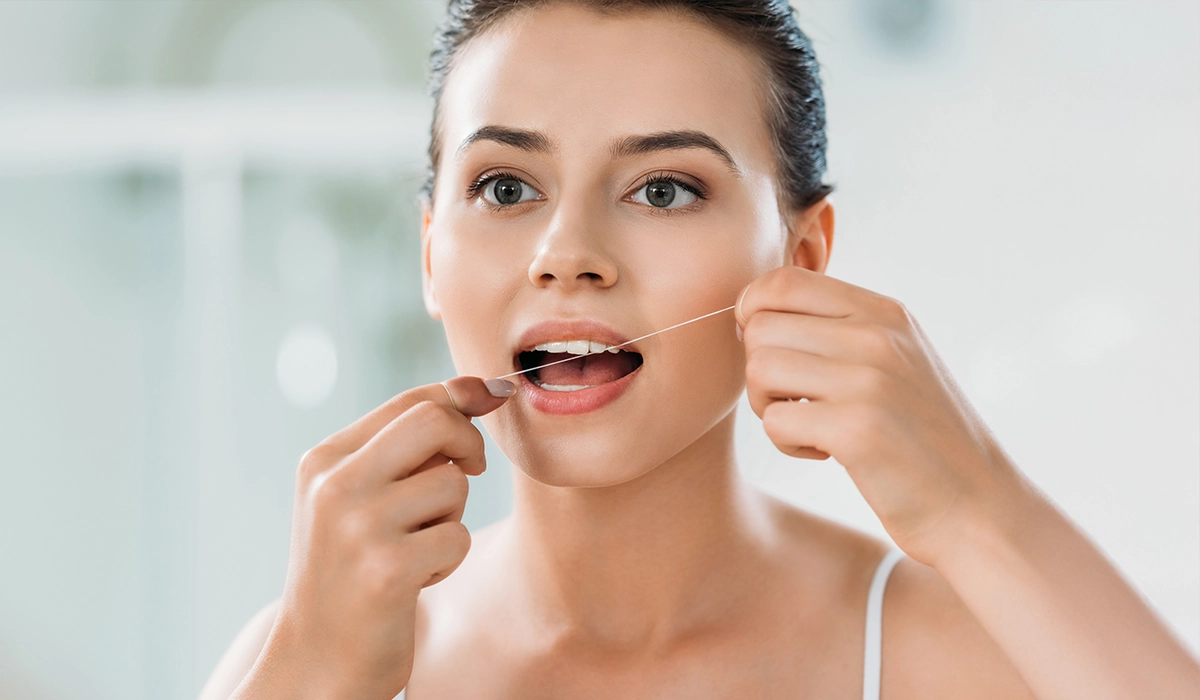
Gentle brushing & flossing: A soft-bristled toothbrush and daily flossing keep plaque under control, which can help prevent chalky spots from worsening.

Remineralising products: Toothpastes, mousses, or gels containing calcium phosphate or casein phosphopeptide can help replenish minerals in weakened enamel.

These at-home steps are excellent for supporting your teeth, but they work best hand-in-hand with professional care to achieve smooth, even enamel and a confident smile.

Professional treatments that work (for real!)

Sometimes, chalky white spots need more than just at-home care. Fortunately, modern dentistry offers a range of effective treatments that can smooth out enamel, even out tooth colour, and give your smile a real confidence boost.

1. Microabrasion

Microabrasion is a quick, minimally invasive procedure that removes a very thin layer of enamel. By gently smoothing out the surface, it can make chalky spots virtually disappear. It’s painless, fast, and often shows visible results after just one session—perfect if you want a noticeable improvement without complex treatments.

2. Resin infiltration (Icon treatment)

Resin infiltration is a gentle, minimally invasive treatment that targets white spots at their source. First, the affected enamel is carefully etched to open up tiny pores, then a tooth-coloured resin is applied. This resin seeps into the etched surface, blending the chalky patches seamlessly with the rest of your tooth so they become far less noticeable.

What makes this treatment so effective is that it strengthens and smooths the enamel without removing healthy tooth structure. No drilling, no discomfort—just a more even, natural-looking smile.

Teeth Whitening

3. Professional whitening

Professional teeth whitening alone won’t erase white spots, but when combined with microabrasion or resin infiltration, it can make your teeth look brighter and more uniform. The combination helps your smile look naturally radiant rather than patchy.

4. Veneers or composite bonding

For deeper or stubborn spots, cosmetic options like porcelain veneers or composite bonding are highly effective. Your dentist can cover the affected areas entirely, giving you a flawless, natural-looking smile that lasts. These treatments not only improve aesthetics but also protect your teeth for years to come.

With today’s professional options, even the most noticeable chalky spots don’t have to stay. A quick chat with your dentist will help you find the right approach—so you can enjoy smoother, brighter teeth, no matter how long those spots have been around.

How to stop chalky white spots coming back

Getting rid of chalky spots is one thing—but keeping them from returning is just as important. Here’s how to protect your enamel and maintain a smooth, healthy smile:

  • Maintain daily brushing and flossing.
  • Use fluoride-containing dental products.
  • Limit acidic and sugary foods and drinks.
  • Keep up with regular dental check-ups—every six months is ideal.
  • If you have braces or orthodontic appliances, follow your dentist’s extra care routines.

Small daily habits make a big difference. With consistent care, you can keep your teeth smooth, healthy, and free of those pesky chalky patches.

Daily Flossing

Smooth, bright smiles restored

Chalky white spots might seem small, but we know they can really change how you feel about your smile. The great news is, those spots don’t have to be permanent—there are safe, effective ways to get your teeth looking smooth and naturally bright again.

With the right daily care and a little help from your dentist—whether through resin infiltration, fluoride care, or cosmetic touch-ups—you can enjoy a smile that feels fresh, natural, and healthy.

If those white marks are bothering you, now’s a good time to ask your dentist about the best next step for you.

Why you can’t afford to ignore gaps in your smile

Why you can’t afford to ignore gaps in your smile

Missing teeth and finding health

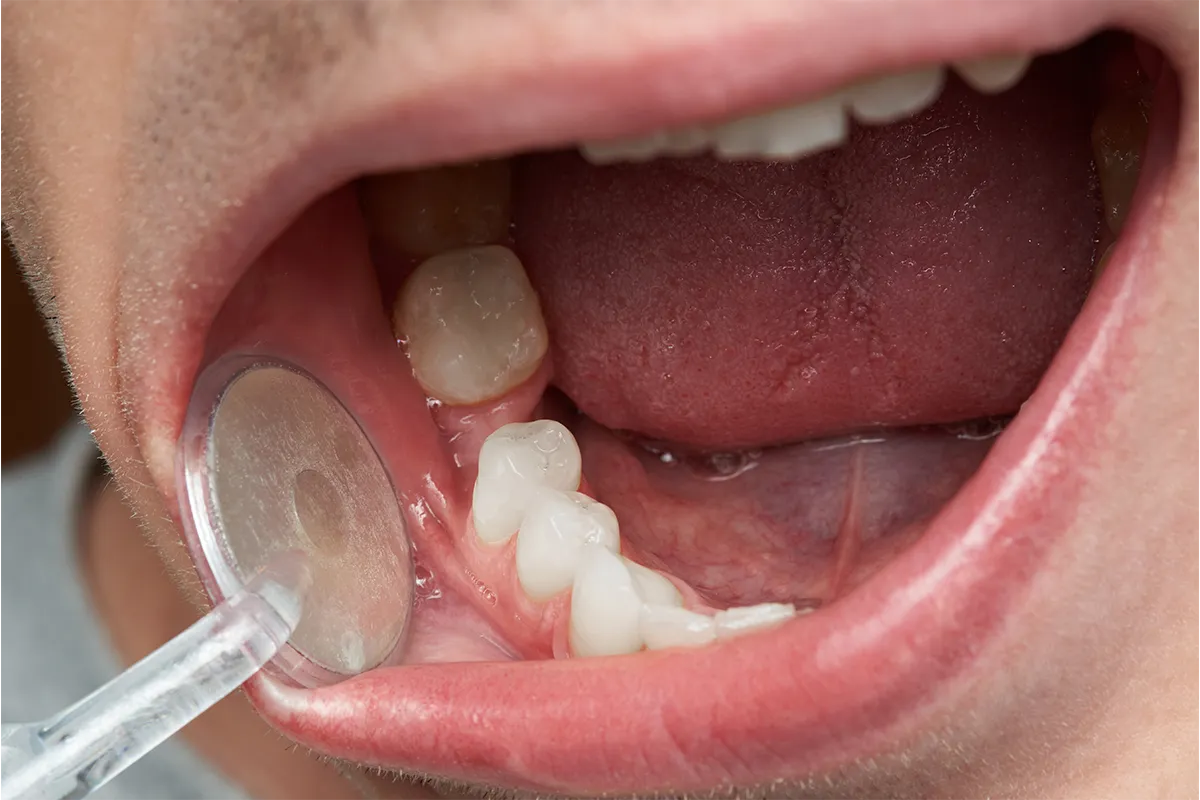
You might be tempted to shrug off a missing tooth, especially if the gap left behind is not visible when you smile. It’s just one tooth, right? But here’s something most people don’t realise: a single gap in your smile can quietly lead to a cascade of oral health issues and long-term complications, not to mention financial strain. Acting early helps you preserve function, boost confidence, and rediscover health.

In this blog, we’ll look at how missing teeth affect more than just appearance, and how today’s dentistry makes it easier than ever to restore function and find lasting health. From prevention to modern treatment options, you’ll discover positive steps you can take to keep your smile strong and your health on track.

Let’s explore how turning attention to those gaps can open the door to better outcomes on so many levels.

The hidden chain reaction of a missing tooth

A gap in your mouth isn’t an isolated problem. Your teeth work together as a unit, and when one goes missing, everything around it begins to shift — literally and figuratively.

What really happens when a tooth is lost?

  • Neighbouring teeth shift into the empty space, becoming crooked and misaligned.
  • Opposing teeth may over-erupt or grow longer into the gap, disrupting your bite.
  • Chewing becomes uneven, causing extra pressure on remaining teeth.
  • The jawbone underneath the gap deteriorates due to lack of stimulation.
  • Facial structure begins to sag, making you look older than you are.
  • Food and bacteria collect in the space, increasing your risk of gum disease and decay.

It’s a domino effect. What started as a small gap quickly turns into bite issues, bone loss, tooth wear, jaw pain, and even further tooth loss.

Why you can't afford to ignore gaps in your smile

The financial impact of delaying treatment

Avoiding the dentist may seem like saving money in the short term, but it’s a costly gamble in the long run.

Let’s break down how inaction can strain your wallet:

Early stage (less costly):

  • A single dental implant or bridge replaces the missing tooth and stops further problems.
  • Minimal intervention, lower cost, faster recovery.

Later stage (more costly):

  • Neighbouring teeth have shifted — now you need orthodontics.
  • Bone loss occurred — now you need a bone graft before an implant.
  • Multiple missing teeth — now you need full arch restorations or dentures.
  • TMJ pain or jaw misalignment — now you need bite rehabilitation or splint therapy.

And here’s what many patients forget: the longer you wait, the fewer treatment options you’ll have. Delays often mean more complex, invasive, and expensive procedures.

The emotional and lifestyle toll

A missing tooth doesn’t just affect your mouth. It affects your confidence, quality of life, and self-esteem—often more than people are willing to admit.

Common struggles people face with missing teeth:

  • Hiding their smile in photos or conversations.
  • Feeling self-conscious during job interviews, meetings, or dates.
  • Avoiding certain foods, especially in public, due to difficulty chewing.
  • Developing speech issues, like lisps or slurring, from front-tooth gaps.
  • Experiencing social withdrawal or embarrassment over appearance.

Over time, the emotional weight can even contribute to anxiety or depression. A smile isn’t just cosmetic—it’s a powerful part of your identity and expression.

Why you can't afford to ignore gaps in your smile

Prevention is the best (and easiest) treatment

While modern dentistry offers remarkable ways to replace missing teeth, the best path to health is avoiding tooth loss entirely.

Here’s how to protect your smile:

Prioritise daily oral hygiene

  • Brush at least twice a day with fluoride toothpaste
  • Floss once daily to remove plaque and debris
  • Use an antibacterial mouth rinse if recommended

See your dentist regularly

  • Routine checkups catch early signs of decay, gum disease, or trauma
  • Professional cleans remove hardened plaque (tartar) that brushing can’t

Don’t ignore early signs

  • Bleeding gums, sensitivity, loose teeth—these are all warning signs
  • Addressing them early can save your teeth and your money

Protect your teeth from damage

  • Wear a mouthguard during contact sports
  • Use a night guard if you grind or clench your teeth during sleep

Tooth loss is preventable—and it starts with simple, consistent habits.

How modern dentistry can rebuild your smile

If you’ve already lost a tooth, there’s good news: advanced treatments can restore your smile, function, and confidence—often faster and more comfortably than ever before.

Common options for replacing missing teeth:

Dental Implants

Dental implants:

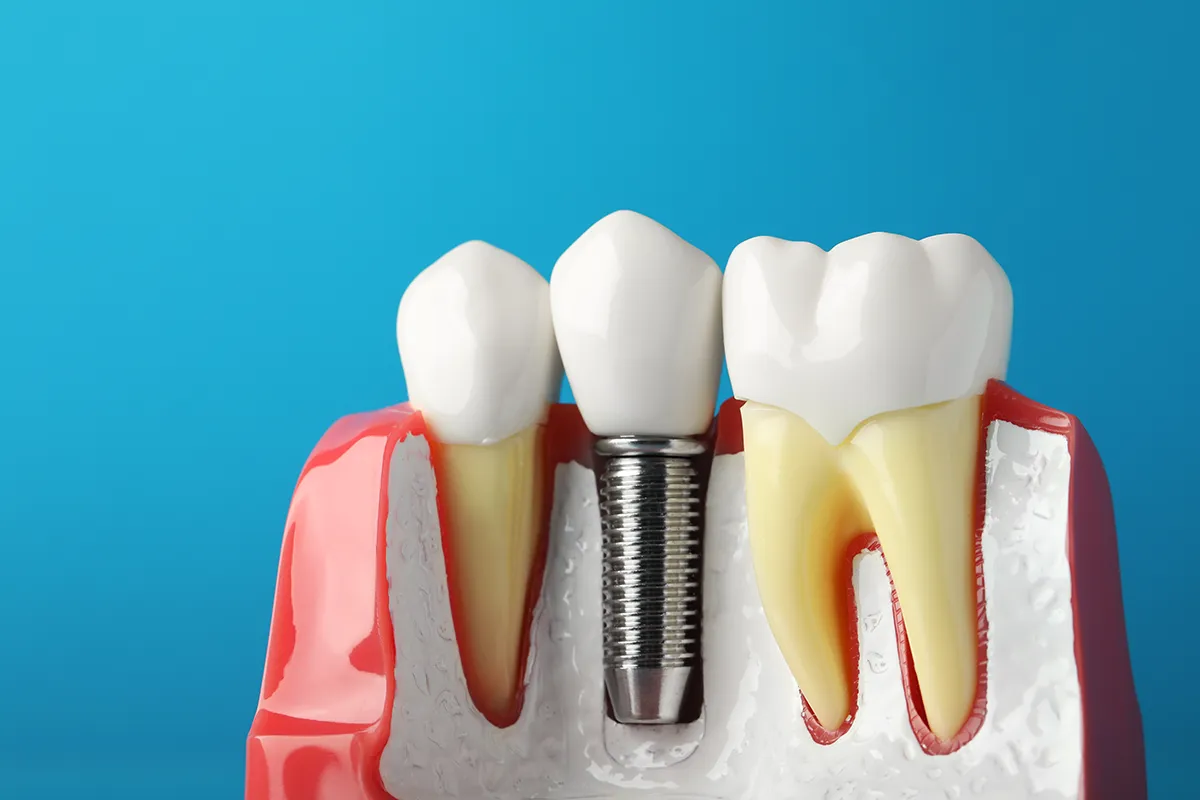
The most durable, natural-feeling option. A titanium post fuses with your jawbone, topped with a lifelike crown. Helps preserve bone and prevents facial sagging.

Dental bridges:

Ideal for filling one or more gaps between healthy teeth. Anchored in place with crowns on adjacent teeth.

Partial or full dentures:

Custom-made, removable options that restore appearance and function for patients with multiple missing teeth.

Your dentist will help you choose the most effective solution based on your goals, health, and budget, but the sooner you act, the better the outcome.

Mind the gap and find your health

A missing tooth may seem like a small inconvenience, but ignoring it can have massive negative impacts that stick around for the long-term. From bone loss to speech problems, emotional tolls to rising dental bills, the cost of doing nothing is simply too high.

The good news? You have the power to protect your smile with ordinary actions that support extraordinary oral health.

Why you can't afford to ignore gaps in your smile
  • Maintain excellent daily oral hygiene
  • Visit your dentist regularly, even if nothing feels wrong
  • Replace missing teeth as early as possible
  • Choose prevention over repair—it’s easier, safer, and far more affordable

Your smile is more than appearance—it’s the key to enjoying meals, speaking with ease, and living each day with confidence.

You deserve lasting health and happiness. Care for your smile today, and it will give back to you for years to come.

How digital dentistry makes better smiles

How digital dentistry makes better smiles

Cold, gooey impression material, long appointments, and weeks of waiting for results that might still need adjusting—this was the reality of traditional dental techniques used for many years. It was often messy, uncomfortable, and full of uncertainty, especially when multiple visits were required just to get the fit or shade right. We went through that because, at the time, it was the best we had. But thankfully, dentistry has moved on.

These days, when you visit a modern clinic like Leeming Dental, the experience is entirely different. Digital dentistry uses clean 3D scans, advanced smile design software, and in-house milling to deliver faster, more precise, and far more comfortable care. With fewer appointments and no messy moulds, you can often walk out with beautifully natural results—all in a single visit.

Today, patients like you are reclaiming their confidence with beautiful, healthy smiles—often in just one visit. Whether it’s a single dark tooth or a full smile makeover, digital tools can offer faster, more precise, and more comfortable care than ever before.

Let’s explore how cutting-edge digital dentistry works, why it’s worth considering, and how it could be the key to your most confident smile yet.

The future of dentistry is digital—and it’s built around you

In the past, restoring a tooth meant uncomfortable impressions, unpleasant temporary solutions that you had to tolerate, and waiting weeks for a lab to finish your crown or veneer.

Not anymore.

Modern dental clinics now use high-definition intraoral scanners, digital smile design, 3D printing, and in-house milling systems like CEREC to streamline everything, giving you:

CEREC
  • Faster results
  • Better fit and comfort
  • Natural-looking aesthetics
  • Minimally invasive procedures
  • A smile that lasts

Instead of guesswork or old-fashioned moulds, digital scanners create an ultra-accurate image of your teeth. This allows your dentist to virtually design the ideal shape, shade, and fit for your restoration, right down to the finest detail.

What digital dentistry can do for you

Nobody wishes this on anyone—but one day, you might find yourself in a position like this. You walk into the clinic with one, or perhaps several, concerns: a dark front tooth, worn molars, ageing restorations, and a smile you’ve stopped showing. In the past, this would have meant multiple appointments, messy impressions, and months of treatment. But thanks to digital dentistry, the process is now faster, smoother, and far more empowering.

In clinics that have embraced modern technology, such a patient may receive:

Exocad

A full digital scan (no messy impressions!) using a high-definition intraoral scanner

Custom-designed veneers, crowns, bridges, and overlays using digital smile design software

3D-printed models for accurate fitting and try-ins—giving both patient and dentist a tangible preview before final restorations

Same-day restorations, milled in-house from multi-layer zirconia—a strong, long-lasting ceramic that mimics natural tooth structure

A beautifully restored smile—without long delays, discomfort, or compromise

What this integration of 3D printing and chairside milling means is that every step of the process is precise, personalised, and efficient. It’s not just faster—it’s better.

Precision-built for lasting health

While digital restorations are undeniably stunning, they also serve a deeper purpose: restoring function and preserving your natural teeth.

Here’s how:

Precision fit: Poor-fitting restorations can wear down other teeth or irritate gums. Digital designs ensure every crown, veneer, or bridge fits like a glove.

Conservative treatment: Digital tools allow for minimal tooth preparation, meaning more of your natural tooth is preserved.

Faster recovery: Fewer appointments and less time in the chair means less stress on your schedule and your mouth.

Long-term protection: A proper bite and strong materials like multi-layer zirconia help prevent future damage or complications.

This technology doesn’t just transform smiles—it protects them.

Why choose a clinic that uses digital dentistry?

Choosing a modern dental clinic isn’t just about having the latest gadgets—it’s about choosing a better experience for yourself.

Clinics with digital dentistry offer:

Exocad
  • Same-day smile makeovers
  • Consistent, predictable results
  • More comfort and less anxiety
  • Stronger, longer-lasting materials
  • A more collaborative approach to your care

You’ll see your smile designed in 3D before anything is done. You’ll feel involved, informed, and in control. And you’ll walk away with a smile that’s not only beautiful, but built to last.

Your smile deserves modern care—take the first step today

Don’t settle for outdated treatments, uncomfortable processes, or a smile that doesn’t feel like “you.” You can do so much better!

If you’ve been thinking about improving your smile, whether it’s one tooth or a full transformation, now is the time to explore what digital dentistry can offer.

After dental treatment smile
  • Faster results
  • Less discomfort
  • Natural-looking beauty
  • Stronger, healthier teeth

Book a consultation with your trusted dentist and discover how modern care can make all the difference—not just in how you look, but how you feel.

It’s your turn to smile with confidence. Let digital dentistry get you there.

Why malocclusion means trouble

Why malocclusion means trouble

A badly aligned bite can mess with more than just your smile’s appearance. Untreated malocclusion—where teeth and jaws don’t align properly—can lead to serious oral health issues, from difficulty chewing to increased risks of decay and gum disease.

But that’s not all. Malocclusion can also cause worn-down teeth, jaw pain, speech difficulties, digestive problems, and a higher risk of dental injuries. Addressing these concerns early enhances your appearance and protects your long-term dental health.

What is malocclusion?

Malocclusion refers to the improper alignment of the upper and lower teeth when the jaws are closed. It can manifest in various forms, such as overbite, underbite, crossbite, open bite, crowding, and spacing issues. While some cases are mild and may not require treatment, severe malocclusion can cause significant dental and health problems.

Misaligned teeth

Common types of malocclusion

types of malocclusion
  • Overbite: When the upper front teeth excessively overlap the lower front teeth.
  • Underbite: When the lower teeth extend beyond the upper teeth, giving a protruding jaw appearance.
  • Crossbite: When some of the upper teeth sit inside the lower teeth rather than outside.
  • Open bite: When the upper and lower front teeth do not touch when the mouth is closed, leading to a gap.
  • Crowding: When there is insufficient space in the mouth for teeth to align properly, causing overlapping or rotated teeth.
  • Spacing issues: Gaps or spaces between teeth due to missing teeth or an abnormal jaw structure.

Reasons for malocclusion

Malocclusion can be caused by various genetic and environmental factors, including:

  • Heredity: Genetic factors play a significant role in jaw and teeth alignment.
  • Childhood habits: Prolonged thumb sucking, pacifier use, or tongue thrusting can contribute to misalignment.
thumb sucking
  • Jaw development issues: Abnormal growth of the upper or lower jaw can lead to bite problems.
  • Tooth loss: Missing teeth due to injury, decay, or extractions can cause shifting and misalignment.
  • Poor oral habits: Nail-biting, prolonged bottle-feeding, or excessive chewing of objects can contribute to improper alignment.
  • Tumours or cysts: The presence of growths in the mouth or jaw can alter bite alignment.

Risks from untreated malocclusion

1. Increased chance of tooth decay and gum disease

Misaligned teeth can create tight spaces and overlapping areas that are difficult to clean properly. Plaque and food debris can accumulate in these areas, increasing the risk of cavities and gum disease (gingivitis and periodontitis). Poor oral hygiene due to malocclusion can lead to chronic inflammation and even tooth loss.

2. Excessive tooth wear

When teeth do not meet properly, some teeth bear more pressure than others during biting and chewing. This can lead to excessive wear, enamel erosion, and even fractures. Over time, worn-down teeth can cause sensitivity and increase the risk of further dental damage.

3. Jaw pain and TMJ disorders

Malocclusion can put undue stress on the temporomandibular joint (TMJ), leading to discomfort, pain, and disorders such as TMJ dysfunction. Symptoms may include headaches, jaw clicking, difficulty opening and closing the mouth, and muscle pain in the face and neck.

4. Difficulty in chewing and digestion

Poorly aligned teeth can make it difficult to chew food efficiently, leading to improper digestion. Inadequate chewing can cause digestive problems, including bloating and stomach discomfort, as food is not broken down properly before reaching the stomach.

5. Speech difficulties

The alignment of teeth plays a crucial role in articulation and pronunciation. Severe malocclusion can cause speech impediments, such as lisping or difficulty pronouncing certain sounds, which may affect communication and self-confidence.

6. Increased risk of dental trauma

Protruding teeth, commonly seen in cases of severe overbite or open bite, are more prone to trauma and fractures in accidents or falls. Children and athletes with untreated malocclusion may face higher risks of dental injuries.

Mayhem beyond oral health

Untreated malocclusion doesn’t just affect your teeth — it can take a toll on your overall health and wellbeing. Chronic jaw pain and headaches can increase stress and reduce quality of life. Meanwhile, poor oral hygiene caused by misaligned teeth raises the risk of systemic infections and has even been linked to conditions like cardiovascular disease.

Misaligned teeth
Misaligned teeth

What you can do for malocclusion

Fortunately, malocclusion can be corrected with timely intervention. Treatment options vary depending on the severity of the misalignment and may include:

Orthodontic treatment
  • Orthodontic treatment: Braces, clear aligners, and retainers help reposition teeth gradually.
  • Dental restorations: Veneers, crowns, bridges, and dental implant can improve alignment and function.
  • Tooth extractions: Removing overcrowded teeth can create space for proper alignment.
  • Orthognathic surgery: In severe cases, corrective jaw surgery may be necessary.

Correct your bite for lasting oral health

Ignoring malocclusion can lead to long-term damage—not just to your smile, but to your overall health. The earlier you seek diagnosis and appropriate treatment, the better your chances of avoiding complications like pain, decay, and jaw dysfunction.

bite correction

If you or your child shows signs of a misaligned bite, book a consultation with your dentist or orthodontist today. Taking action now means fewer problems later—and a healthier, more confident smile for life.

The Smile Design and Space (SDS) concept

The Smile Design and Space (SDS) concept

Innovative full-mouth reconstruction to enhance oral health and biomechanics

Living life with a truly optimised smile is about more than just beautiful teeth. The Smile Design and Space (SDS) concept takes a broader view—considering your entire head anatomy, including jaw alignment, facial structure, and lip mobility—to achieve a harmonious balance of aesthetics, functionality, and health. This holistic approach integrates advanced dental techniques to craft smiles that are not only stunning and natural but also built for lasting comfort and performance.

The Smile Design and Space (SDS) concept

Source: Łukasz Lassmann, SDS Concept

What is the SDS concept?

The SDS approach is about ensuring your anatomy has the space it needs where it matters most. This groundbreaking method optimises the vertical space between the upper and lower jaws when you bite. That space is known as vertical dimension of occlusion (VDO), and it is vital to proper oral function, long-term dental health, and overall comfort.

Unlike traditional tooth-centric methods which have a narrower focus, the SDS concept takes a facially driven treatment approach. It carefully evaluates the unique relationships between facial features, teeth, and jaw alignment to create a tailored plan that enhances aesthetics and functionality. By addressing the limitations of conventional VDO adjustments, the SDS concept minimises invasiveness while delivering exceptional, patient-specific results. This innovative method prioritises comfort, balance, and a natural appearance, offering a holistic solution for full-mouth restoration.

How does the SDS concept work?

The SDS concept follows a meticulous, structured approach that integrates precise assessments with advanced dental techniques, delivering consistently optimal results. Here’s how it works:

Evaluating the maxillary central incisors

The upper front teeth—or maxillary central incisors—are carefully assessed for their position and visibility in relation to the upper lip, both at rest and during a full smile. This step is crucial for determining the ideal incisal edge position, which significantly influences the harmony and natural appearance of the smile.

Evaluating the maxillary central incisors

Source: Łukasz Lassmann, SDS Concept, Upper incisal position and visibility

Considering lip mobility

Each patient’s lip mobility is analysed, as it impacts how much of the teeth and gums are visible when smiling. Special attention is given to patients with gingival exposure (a “gummy smile”) to ensure a balanced and aesthetically pleasing result.

Strategic adjustments to the bite height

The SDS concept uses a systematic formula that accounts for dental relationships, wear patterns, and individual needs to determine precise alterations to the vertical dimension of occlusion. These adjustments are carefully calibrated to enhance both the functional dynamics of the bite and the overall aesthetic outcome.

Strategic adjustments to the bite height

Integrating these steps, the SDS concept delivers a personalised approach to full-mouth reconstruction that emphasises harmony, functionality, and minimal invasiveness. This meticulous process ensures lasting results that blend seamlessly with each patient’s unique features.

Benefits of the SDS concept

The SDS concept provides several compelling advantages compared to traditional methods of full-mouth reconstruction:

Minimal invasiveness: By preserving as much natural tooth structure as possible, the SDS concept reduces the need for extensive preparation or irreversible changes, ensuring a conservative yet effective treatment approach.

Enhanced aesthetics: The SDS concept integrates dental and facial features to create a balanced, natural-looking smile that complements the patient’s unique appearance.

Improved functionality: Proper alignment and bite are prioritised, reducing the risk of jaw discomfort, uneven wear, or compromised chewing efficiency.

Predictable outcomes: The systematic and patient-focused methodology enhances the reliability of the treatment, leading to consistent, high-quality results and a higher rate of long-term success.

Why is the SDS concept significant?

The SDS concept represents a paradigm shift in dental care, emphasising highly individualised treatment plans. By tailoring the approach to each patient’s unique aesthetic and functional needs, the SDS concept ensures outcomes that are not only visually stunning but also durable and comfortable over the long term. This focus on personalisation enhances patient satisfaction and the overall success of full-mouth reconstructions.

Who can benefit from the SDS concept?

The SDS concept is particularly beneficial for individuals considering full-mouth reconstruction to address complex dental issues such as:

Severe tooth wear: Restoring the original structure and function of heavily worn teeth.

Misalignment: Correcting bite issues to improve chewing efficiency and comfort.

Gummy smile: Balancing the visibility of teeth and gums for an aesthetically pleasing result.

The SDS concept combines aesthetics with functionality, providing a comprehensive solution for patients seeking transformative dental care. This innovative approach makes it possible to achieve a healthy, balanced, and naturally beautiful smile tailored to each individual’s unique characteristics.

full-mouth reconstruction

Exceptional whole-mouth restorations

The SDS concept goes far beyond the basics of dentistry to provide precise, lasting results for your entire oral anatomy, including jaw, teeth, gums and lips. This powerful framework balances aesthetics with functionality, to create customised treatment plans that truly meet each patient’s needs in a genuinely comprehensive manner.

For those undergoing full-mouth reconstruction, achieving a beautiful and healthy smile is non-negotiable. For these patients, the SDS approach delivers predictable outcomes with confidence. Support your long-term oral health and optimise your bite biomechanics by asking your dental professional about the SDS concept.

References:

Lassmann, Ł., Calamita, M. A., & Blatz, M. B. (2024). The “Smile Design and Space” concept for altering vertical dimension of occlusion and esthetic restorative material selection. Journal of Esthetic and Restorative Dentistry: Official Publication of the American Academy of Esthetic Dentistry, 10. https://doi.org/10.1111/jerd.13317

Lassmann, Ł. (2024). SDS concept [Facebook post]. Facebook. https://www.facebook.com/share/p/15eKDmRJk3/