What to expect with dental implants and how to overcome anxiety

What to expect with dental implants and how to overcome anxiety

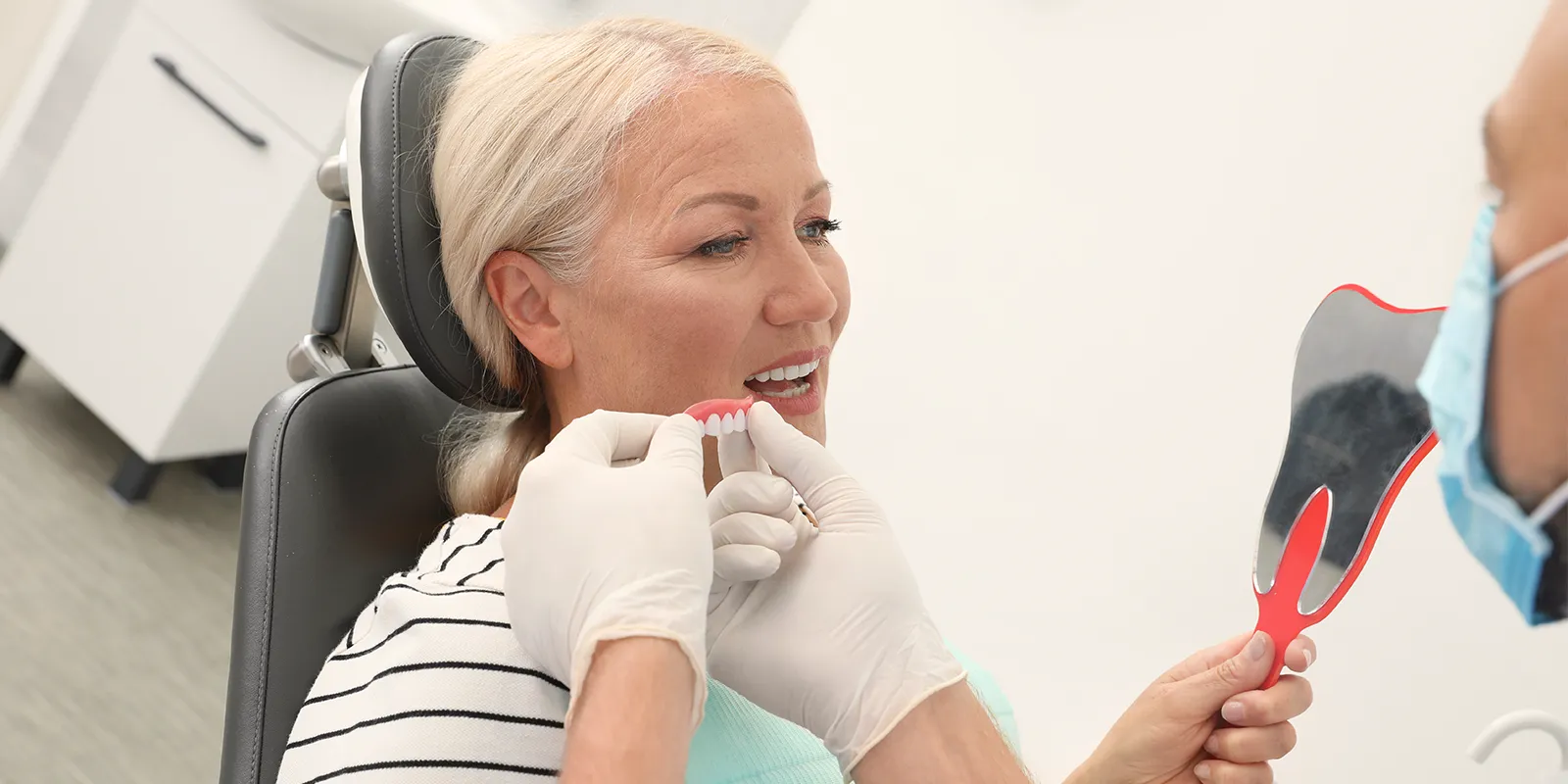
Dental implants are a fantastic option for replacing missing teeth, providing a permanent and natural-looking solution that can dramatically enhance your smile and quality of life. Yet, it’s perfectly normal to feel apprehensive about the procedure. Whether or not there’s reason to fear, many share these concerns. To ease your mind, it is helpful to understand the process and set realistic expectations for the procedure and its anticipated outcomes. Let’s talk about some common fears and how to address them for a smoother dental implant journey.

dental implants

Getting a handle on your dental implant fears

Pain? It’s natural to worry about pain, but modern dentistry offers several sedation options to ensure your comfort during the implant placement procedure. Local anaesthesia will effectively numb the area, and if you’re feeling particularly anxious, options like nitrous oxide (laughing gas) or light intravenous (IV) sedation are available. Your dentist understands these concerns and will discuss these options with you beforehand to create a personalised plan that addresses your comfort and peace of mind.

Surgery? Dental implant surgery is typically performed as an outpatient procedure, allowing you to return home the same day. It’s designed to be minimally invasive, which reduces recovery time and enhances comfort during healing. Your dentist will meticulously explain each step of the procedure, ensuring you feel informed and prepared. You’ll also receive comprehensive post-operative instructions tailored to promote a smooth and successful recovery process.

Long recovery time? While there is a period of initial healing after surgery, it’s often shorter than anticipated. Following your dentist’s post-operative instructions diligently is key to a smooth recovery. These instructions may involve guidance on pain management, dietary modifications and maintaining proper oral hygiene. It’s common for patients to experience some swelling and discomfort in the first few days, which can be effectively managed with prescribed medications and the application of ice packs.

Failure? Dental implants are known for their high success rates and can last a lifetime with proper care. However, maintaining open communication with your dentist is crucial. It’s important to discuss any underlying health conditions that may impact the success of your implant. Additionally, feel free to enquire about the specific materials and techniques being used in your procedure to ensure you’re well-informed and confident in your treatment plan.

Cost? Dental implants are a significant investment in your oral health. While they typically have higher initial costs compared to dentures or bridges, their long-term benefits justify the expense. Implants are durable and can last a lifetime with proper care, reducing the need for frequent replacements.

It’s important to check your dental insurance coverage, as many plans offer partial coverage for implants. Coverage varies, so understanding your plan’s specifics and potential out-of-pocket costs is essential. Discussing these details with your dentist helps ensure you can make an informed decision about your treatment plan and any associated financial considerations.

What happens in a dental implant procedure?

A great dental implant treatment is typically a process that involves multiple appointments spread over several months. Here’s a general breakdown:

Consultation: Discuss your goals, concerns and medical history with your dentist to determine if implants are suitable for you.

dental implants

Preparation and planning: X-rays and CBCT scans are taken to assess your jawbone health and plan the precise placement of the implants.

dental implants

Surgical placement: The implant posts are surgically placed into your jawbone. This step is often done under local anesthesia to ensure comfort.

Healing period (Osseointegration): Over the next few months, the implant undergoes osseointegration, where it fuses with your jawbone to provide a stable foundation.

Abutment placement: Once the implant has integrated with the jawbone, a small connector piece called an abutment is attached to the implant. This step prepares the implant to support the final restoration.

dental implants

Final restoration: A custom-made crown, bridge or denture, designed to match your natural teeth in colour and shape, is securely placed onto the abutment. This completes your new tooth, restoring both function and aesthetics.

dental implants

Throughout each step, your dentist will provide detailed instructions, monitor your progress and ensure you are comfortable. Following post-operative care guidelines is crucial to promote healing and maximise the longevity of your dental implant.

Post-operative care

Managing discomfort: It’s natural to experience some discomfort after surgery, but your dentist will provide specific strategies to manage it effectively. This may include prescribed medications tailored to your needs and using soothing remedies such as ice packs to alleviate swelling and discomfort.

Dietary adjustments: Following surgery, it’s recommended to stick to a soft diet for a short period to aid in healing. Enjoy exploring a variety of delicious and nutritious soft foods during this time, which can be both enjoyable and supportive of your recovery.

Oral hygiene: Maintaining excellent oral hygiene is crucial for the long-term success of your implants. Your dentist will offer detailed instructions on brushing and flossing carefully around the implant site. This helps prevent infection and ensures the area heals optimally, promoting the longevity of your implants.

Follow-up care: Regular follow-up appointments with your dentist are essential. These visits allow for monitoring of your healing progress, prompt addressing of any concerns and further guidance on maintaining oral health and the longevity of your implants.

Achieving a confident smile with dental implants

Dental implants are a well-established path to achieving a complete and confident smile. You can rest easy knowing your dentist has likely helped countless patients transform their smiles and regain their confidence. Don’t be afraid to ask questions, voice your concerns and discuss your expectations openly. Your active participation and understanding are key to ensuring a smooth and successful experience.

With open communication and an inquisitive mind ready to absorb extra knowledge, you can confidently navigate this journey. Remember, this is about investing in your smile and overall well-being. What can you expect as the result? A strong, natural-looking smile that can last a lifetime. Trust the process, and soon you’ll be basking in the confidence that comes with a brighter smile.

dental implants

Keep our teeth for life with minimally invasive restorations

Keep our teeth for life with minimally invasive restorations

For decades, traditional approaches to restoring damaged teeth typically removed significant portions of healthy tooth structure. While this was effective, it was also quite invasive, even for minor imperfections. Thankfully, digital dentistry offers a much gentler solution with conservative, minimally invasive restoration techniques.

Modern approaches in conservative dentistry prioritise preserving your natural tooth material, minimising discomfort, and ensuring long-term oral health. Every patient who needs a restorative treatment desires a lasting solution that does not needlessly remove healthy tooth material. Advanced techniques and materials meet this goal, allowing dentists to achieve beautiful, lasting results with minimal intervention, thereby promoting the health of every tooth.

What makes restorative solutions conservative?

Conservative restorative treatments prioritise saving the largest possible amount of your natural tooth material by using techniques that minimise the need for drilling, cutting or needles. This minimally invasive approach results in less discomfort, and retains more of your healthy tooth structure, promoting a stronger and longer-lasting smile.

Keep our teeth for life with minimally invasive restorations

Why choose conservative restorations?

Among the many compelling reasons to go for a conservative approach to restoring your teeth, these stand out:

Strength and longevity

Traditional restorative methods often require removing significant healthy tooth structure. This weakens the tooth, making it more susceptible to fractures and potentially needing further interventions in the future.

Conservative restorations prioritise maintaining as much natural tooth structure as possible. Less removal or alteration translates to a stronger foundation for the restoration and the tooth itself. This approach enhances the tooth’s long-term durability and reduces the risk of future complications.

What’s more, preserving more tooth structure keeps more options open for potential future dentistry needs. If you need more treatment down the track, having a stronger, less compromised tooth provides a more favourable foundation for successful treatment.

Enhanced oral health

Your natural tooth structure is the bedrock of a healthy smile. The more you keep, the stronger your natural defence against decay and infection. Conservative dentistry prioritises preserving this vital foundation by minimising the removal of healthy tooth tissue during restorations. This not only reduces discomfort but also promotes the long-term health of your teeth and gums.

By retaining more natural tooth structure, prepless restorations can significantly decrease the need for more invasive procedures like root canals or extractions in the future. This translates to a healthier mouth and potentially fewer dental interventions throughout your life.

Comfort and efficiency

Dental anxiety is a common concern for patients, often around fear of pain or discomfort during procedures. Conservative restorations typically involve less drilling and manipulation of the tooth, resulting in a more comfortable experience.

Furthermore, modern practices have largely replaced traditional putty impressions with digital intraoral scanning. This eliminates the messy and sometimes gag-inducing impression process, further enhancing patient comfort. Additionally, digital scans provide a highly accurate representation of your teeth, leading to a better fit for your restoration and potentially reducing the need for adjustments.

Since less tooth structure is affected, recovery time after a conservative restoration is often quicker compared to traditional methods. This translates to less downtime and a faster return to normal activities.

Natural aesthetics

Modern dental materials and techniques allow dentists to create restorations that so closely match the natural appearance of teeth that they are indistinguishable. Materials such as composite resin and porcelain can be custom-matched to blend seamlessly with your existing teeth, ensuring your results look perfectly harmonious.

Conservative restorations go beyond just restoring your tooth’s functionality, and can even enhance the natural beauty of your smile. Modern conservative dentistry addresses decay or damage while preserving your teeth’s original contours and characteristics to give your smile a beautifully appealing natural look and feel.

Keep our teeth for life with minimally invasive restorations

Minimally-invasive restoration options

Prepless porcelain veneers

Porcelain veneers are an outstanding option for enhancing the aesthetics of your front teeth. These custom-made shells are made from premium-quality ceramic and meticulously designed to match the natural colour and translucency of your surrounding teeth. Veneers are bonded directly to the front surface of the tooth, effectively concealing a variety of cosmetic concerns:

  • Chips or cracks in the tooth enamel
  • Discolouration that teeth whitening treatments cannot address
  • Gaps between teeth for a more uniform appearance
  • Mild misalignment for a straighter-looking smile

Modern advancements have revolutionised veneer fabrication and materials. Veneers can now be incredibly thin and strong, often requiring minimal to no preparation of the underlying tooth structure. This translates to a comfortable and minimally invasive procedure, allowing you to achieve a perfect smile efficiently.

Conservative onlays and inlays

Onlays and inlays are specifically designed to repair damage to the chewing surfaces of your back teeth. These highly-effective custom-made ceramic restorations are crafted to perfectly match the shape and function of the affected area. Unlike traditional crowns, which require the removal of significant healthy tooth structure, onlays and inlays offer a substantial advantage. They are bonded directly to the remaining healthy tooth, preserving its integrity and strength.

This approach ensures a durable, long-lasting restoration that functions seamlessly while minimising the impact on your natural tooth. In essence, onlays and inlays prioritise maintaining your natural bite and smile while effectively addressing damage.

Keep our teeth for life with minimally invasive restorations

Digital dentistry

Digital dentistry offers exciting new technologies that have opened the door to many excellent conservative treatments. Here’s how some key technologies make a difference:

Digital impressions: No more unpleasant putty impressions! Instead, dentists use a comfortable wand-like intraoral scanner to capture highly accurate 3D models of your teeth. This precise information means we can design fine-tuned restorations that perfectly match your unique tooth structure, minimising the need to remove healthy tooth material.

Virtual smile design: Collaboration is the hallmark of this innovative approach, which lets you work with your dentist to design your ideal smile virtually. Digital tools are used to create visually detailed digital models of your teeth, as they are now and as they can be post-treatment The digital models of your potential restoration can be freely viewed in high resolution from any angle, allowing you to tangibly understand your expected outcomes. This enables easy communication about your desires and expectations, with results of adjustments shown in real time. This collaborative process ensures you’re happy with the planned outcome before any treatment begins, which promotes a more conservative approach by eliminating most adjustments post-treatment.

3D printing: High quality 3D printing has transformed how dentists create restorations. Based on your designed 3D model, custom veneers, onlays and inlays, crowns and other restorations can be 3D printed with biosafe materials. These restorations offer exceptional precision and fit your teeth perfectly, often eliminating the need for further adjustments and minimising tooth removal. Additionally, compared to traditional methods, 3D printing has reduced treatment times and lowered costs for many treatments, making better dental care widely accessible.

The future of conservative restorations

With digital dentistry forming the foundation of our most effective and innovative conservative restorations, the future promises even more exciting developments. Researchers are constantly making new materials and techniques available to further minimise tooth removal while maximising the strength, longevity and aesthetics of restorations.

3D printing and other digital tools will undoubtedly continue to play a major role in this advancement. Imagine custom restorations designed with unparalleled precision, crafted from biocompatible materials boasting superior strength, and bonded seamlessly to your teeth – all with minimal intervention. The future here, and it is getting better every day!

Less is more

When it comes to dental restorations, the old adage “less is more” perfectly captures the essence of conservative dentistry. This modern approach prioritises preserving your natural tooth structure, keeping your comfort levels as high as possible during treatment, and achieving beautiful, natural-looking results. It’s a win-win for patients seeking a pleasant dental care experience and dentists striving for optimal dental health for their patients.

Keep our teeth for life with minimally invasive restorations

The range of minimally invasive restoration options at our disposal continues to expand with exciting advancements in digital dentistry. Your healthiest smile is already more accessible than ever, thanks to conservative restorations. So, invest a little time talking with your dentist about your best treatment options. It’s your time to thrive!

Missing tooth solutions for seniors

Missing tooth solutions for seniors

As we get older, we begin to deeply appreciate that maintaining our oral health is crucial to our enjoyment of everyday life. Tooth loss demoralise us in our efforts, no matter whether it is the result of tooth decay, gum disease or dental trauma. In severe cases, a tooth may require extraction if it can’t be repaired through dental fillings, crowns or other restorations. However, losing a tooth does not need to have a negative impact on life. What you do about it makes all the difference.

In this blog, we’ll discuss the effects of missing teeth and the common tooth replacement options for seniors.

Australian seniors are missing over 13 teeth on average

In 2017–2018, adults aged 65 and over had an average of 13.7 missing teeth. Additionally, the percentage of adults with complete tooth loss rose with age, from 8.1% in the 55–74 age group to 21% among those aged 75 and over. (National Study of Adult Oral Health 2017-2018)

What are the effects of missing teeth?

The impact of missing teeth goes beyond just the physical appearance of your smile. Here are some of the many adverse primary effects of missing teeth:

Chewing and digestion problems:

Missing teeth can make it difficult to properly chew food, resulting in improper digestion. Poorly chewed food can strain the digestive system and reduce nutrient absorption, potentially leading to nutritional deficiencies.

Speech impairments:

Teeth play a crucial role in the formation of speech sounds and words. The absence of teeth, particularly the front teeth, can alter speech patterns, resulting in difficulties with pronunciation and communication.

Altered facial appearance:

Your teeth provide facial structure. When teeth are missing, the jawbone may begin to deteriorate, causing facial shape changes and a sunken appearance.

Bone loss:

The roots of your teeth stimulate the jawbone, preserving its strength and density. When teeth are missing, this stimulation decreases, resulting in gradual bone loss. This can affect your facial structure and make future dental implant placement more difficult.

Adjacent teeth shifting:

When a tooth is missing, the teeth next to it may start to shift or tilt into the empty space. This can lead to misalignment, bite problems and difficulty correctly cleaning the teeth.

Gum and periodontal issues:

Due to exposed areas where teeth are missing, the gums can become more susceptible to irritation and infection. These areas are particularly prone to developing gum disease and periodontal problems.

Self-esteem and confidence:

Missing teeth can result in self-consciousness, lowering your confidence and self-esteem. You may feel awkward when you smile or interact with others.

Joint and bite issues:

Missing teeth can change the proper alignment of your bite, causing problems like temporomandibular joint (TMJ) disorders, headaches and jaw pain.

Oral health complications:

Untreated missing teeth can result in a progression of oral health issues, including gum disease, tooth decay and additional tooth loss. It can lead to a deteriorating state of oral health.

Missing tooth solutions for seniors

Increased risk of tooth decay:

The presence of gaps between teeth may trap food particles and make cleaning more difficult. This increases the risk of tooth decay and cavities in neighbouring teeth.

Limited food choices:

Certain foods, especially those that require significant chewing, may be difficult to consume if you have missing teeth. This may result in a diet with less variety and possible nutritional deficiencies.

Aesthetic concerns:

While this is generally the most visible effect, the appearance of missing teeth can have an impact on your self-image and how others view you.

It is essential to replace missing teeth to prevent future dental problems and preserve oral health, overall well-being and quality of life.

What are the solutions for missing teeth?

Dentures

Traditional removable option

Dentures have been a popular option for seniors with missing teeth for decades. There are two types of removable replacements: full dentures for those with complete tooth loss and partial dentures for those missing only a few teeth. The advancements in dentistry have resulted in dentures that are more functional and aesthetically pleasing, as well as more comfortable and lifelike.

Missing tooth solutions for seniors

Dental bridges

Bridging the gap

Seniors often utilise dental bridges as a fixed solution when they are missing one or more adjacent teeth. These artificial teeth are attached to the natural teeth on either side of the gap. Bridges restore proper chewing function and preserve the alignment of the surrounding teeth.

Implant-supported dentures

Enhanced stability

Implant-supported dentures are the optimal solution for seniors desiring the benefits of both dentures and dental implants. These dentures are attached securely to dental implants, ensuring their stability while eating and speaking. This option combines the convenience of dentures with the durability of implants.

Dental Implants

Long-lasting restoration

Dental implants can provide permanent natural-looking replacements for missing teeth. These titanium posts are surgically implanted into the jawbone to serve as a stable foundation for prosthetic teeth. Dental implants restore chewing function and stimulate the jawbone to prevent bone loss over time, which increases in importance as we age.

Bone augmentation

Strengthening the foundation

Some seniors may experience bone loss in the jaw due to missing teeth over time. Bone augmentation, also known as bone grafting, is a procedure that enhances the density of the jawbone. This procedure creates a solid base for dental implants and ensures their long-term success.

Regular dental check-ups

Prevention and maintenance

Prevention is essential for maintaining oral health, particularly for seniors. Regular dental check-ups allow for early detection of potential problems and provide the opportunity to discuss tooth replacement options with your dentist. Your dentist can assist in customising a treatment plan to your specific requirements and desires.

Missing tooth solutions for seniors

Regain your smile, comfort and functionality

Small investments in oral health typically provide massive returns in quality of life. Modern solutions for missing teeth offer a range of options for restoring oral function, appearance and overall well-being. Whether you opt for dental implants, dentures, bridges or a combination of treatments, consulting your dentist is the first step in achieving a more confident smile that lasts throughout your senior years.

Composite bonding / veneers / edge bonding – the conservative tooth repair solution

Composite bonding / veneers / edge bonding – the conservative tooth repair solution

What is composite bonding?

Composite bonding, composite veneers or edge bonding are dental techniques used when your dentist applies a tooth-coloured resin to the full frontal surface or the edges (i.e. tips and sides) of the teeth. You can also receive composite bonding and composite veneers as parts of the same treatment plan.

What dental issues can composite bonding treat?

Composite bonding treatment is a really versatile, gentle and conservative dental treatment used to fix chipped teeth, close gaps, change the shape and size of teeth, and alter a tooth’s colour and shade.

Whether bonding is used over traditional veneers depends on what issues you have regarding your defective teeth. This includes what shape, size, shape and position you want in the final result. For example, if you have a few minor chips but are still happy with the shape and colour of your teeth, then composite edge bonding is a highly recommended treatment option.

However, if you’re looking to correct more complex issues such as the shape or size of teeth, alignment, and/or want them looking whiter, then covering the full surfaces of a tooth to build up a composite veneer may be recommended.

Composite bonding is getting more and more popular as a more affordable alternative to porcelain veneers. It’s also a more conservative and less invasive treatment that requires minimal preparation of your natural teeth and removal of tooth structure and enamel.

Are you suitable for composite bonding treatment?

Your suitability for composite bonding treatment is dependent on what results you want to achieve and how healthy your teeth are. These factors can only be assessed via a thorough oral examination in the dental chair.

During this examination, your dentist will assess your teeth, gums and bite. If you have any dental issues, such as tooth decay, cavities or gum disease, these oral conditions should be treated prior to commencing composite bonding treatment. Likewise, if you clench or grind your teeth, resolving these issues may be required before any cosmetic work can be done.

Additionally, if your teeth are misaligned, then you may need to have orthodontic treatment, such as braces or clear aligners such as Invisalign. If you don’t have your teeth straightened first, then your final results may be compromised in the long term. It’s also a recommended to complete a teeth whitening session before composite bonding or veneer treatment since the colour of the resin cannot be altered once cured.

White dental fillings – CEREC porcelain vs composite resin

White dental fillings – CEREC porcelain vs composite resin

White fillings are a popular type of dental filling used to restore decayed teeth or cavities. Because they are available in a number of colour options, they can blend seamlessly with your affected tooth’s remaining structure and the surrounding teeth – as opposed to highly visible metal fillings. White fillings can also be used to change the shape and size of your teeth, which is especially beneficial in cases of damaged, worn or eroded teeth.

The difference between CEREC porcelain and composite resin fillings

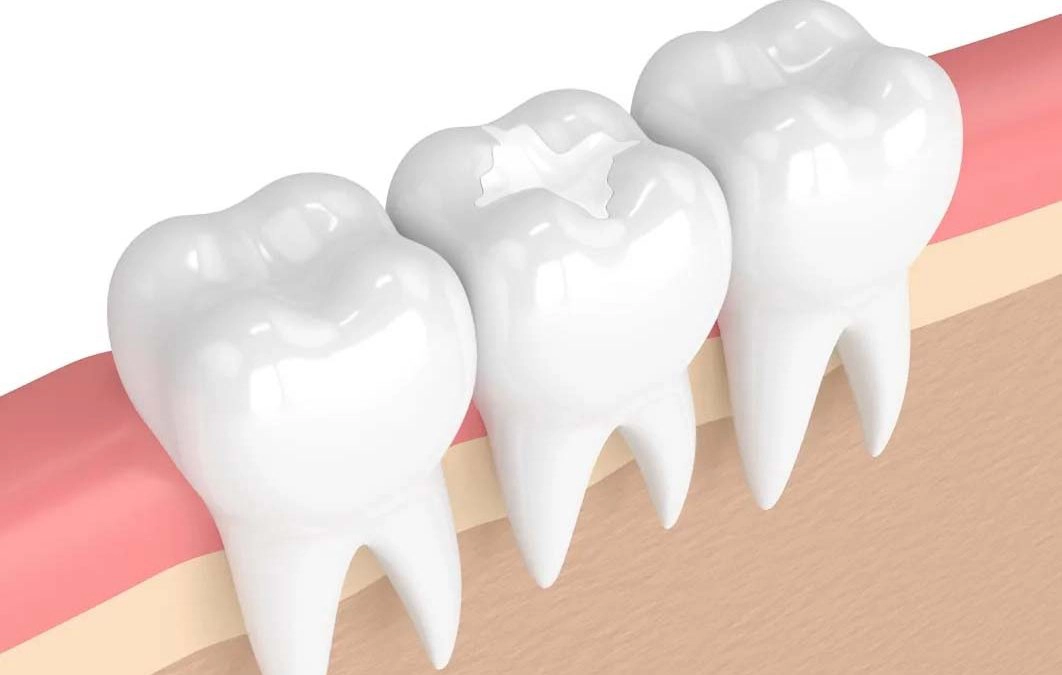
Not all white fillings are the same. While different types of white fillings may look very similar, they come in two main options based on the filling material used – porcelain or composite resin. Glass Ionomer fillings (GIC) are another white filling option but are typically used in cases of child tooth decay, adult temporary fillings and sub-gingival fillings (below the gumline). The difference between porcelain and composite filling materials is like comparing apples to oranges. Porcelain fillings – also known as inlays, CEREC or ceramic restorations – are a lot harder and durable than “composite resin” fillings which are also referred to as plastic, resin or composite fillings.

Composite resin – the low-cost but less durable filling option

Composite fillings are definitely the least expensive filling option – but you get what you pay for. Despite the advantage of saving on your short term dental costs, composite fillings don’t have the same success rate as porcelain fillings. They need to be replaced after 5 or 6 years since they cannot withstand the pressures of heavy chewing over time. This may result in a higher risk of fractures and a breakage which means you may have to repair or replace them more often. Another problem with composite fillings is that they can shrink over time thus pulling away from and stressing the natural tooth structure walls surrounding the fillings.

So, not only can the filling fail but your remaining original tooth may fracture also. Additionally, once composite fillings start to contract, tooth decay can start to penetrate between the filling and original tooth structure and cause more oral issues. If left untreated, this can result in hidden decay, catastrophic failure and tooth loss. Lastly, colour integrity is also an issue since composites can fade or discolour and start standing out from the rest of your teeth.

CEREC porcelain fillings – the more natural looking and long-lasting filling

Porcelain fillings are a better and more stable long term filling solution. If they are CEREC fillings, these super-hard restorations are created using the latest 3D CAD-CAM dental technologies – for a perfect and very stable fit that lasts 15 years or more. When completed successfully, they can also support the remaining tooth structure and prevent further deterioration.

Since there is minimal wear and tear on porcelain fillings, there is less of a requirement to excavate and prep a tooth. This means you’ll be able to retain more of your natural tooth structure – to create a stronger foundation for your filling. CEREC fillings are more expensive without a doubt, but when you factor in the replacement expenses of composites over time, the cost differential is negligible.

White dental fillings – CEREC porcelain vs composite resin
Why do you need retainers after teeth straightening?

Why do you need retainers after teeth straightening?

Most people are unaware of the effects mouth breathing has on orthodontic treatment until after they get their teeth straightened or realigned. Whether they have received braces or Invisalign aligner treatment, a relapse usually occurs to some degree, even after a 100% successful realignment. In the event of a relapse – where the straightened teeth start to gradually shift back towards their original positions – retainers may need to be worn temporarily to allow supportive gum tissue more time to strengthen and stabilise realigned teeth. However, there is another potential risk factor that may be constantly forcing realigned teeth to shift back – how you breathe and your tongue posture.

The tongue – nature’s perfect retainer for straight teeth

Long before the availability of braces or aligner treatments to straighten teeth, nature provided the perfect “retainer” to ensure that your teeth develop and erupt evenly – your tongue. In opposition to the inward forces exerted by the cheek muscles (buccinators), your tongue provides an opposing lateral force that pushes the teeth out. When both forces are equally balanced at approximately 500 gm and your dental arches are well developed, your primary teeth should erupt evenly in all their proper positions during childhood.

How mouth breathing causes straightened teeth to shift back

If you are a mouth-breather – as opposed to a nasal-breather – your bottom jaw sits lower which results in low tongue posture. This leaves your upper jaw (maxilla) without the support and outward force required to counteract the cheek muscles’ inward forces. Without this counterbalancing effect, the inward force exertion causes the arches to narrow during development thus creating a narrow arch, less space for erupting teeth and misaligned or crowded teeth as a result. Now, when you jump forward in time to the teen or adult that has received orthodontic treatment, it is important to understand the very same oral forces that have caused teeth misalignment issues during development are probably still in play after treatment. 

Why do you need retainers after teeth straightening?

Orthotropic treatment can help minimise the need for retainers

While orthodontic treatment such as braces and aligners focuses on straightening teeth, orthotropic treatment focuses on rectifying breathing and postural habits that cause teeth to misalign in the first place. When children and teens receive orthotropic treatment, adopting new mouth and tongue postural habits can improve their oral development. This can result in better teeth alignment all the way into adulthood. However, just because you’re an adult receiving orthodontic treatment, it doesn’t mean you’ve missed out on all the benefits of orthotropics. By simply ensuring that you breathe through your nose, keep your mouth closed and position your tongue correctly on the palate of the mouth, you can help minimise the forces acting against your newly positioned and straightened teeth. This allows supportive ligaments to strengthen and stabilise teeth in their sockets sooner rather than later – and less time spent wearing retainers!