

How biomimetic dentistry uses nature to restore and protect tooth enamel
Can tooth enamel regrow with biomimetic dentistry?
Our teeth are remarkable structures, designed to withstand decades of chewing, biting, and grinding. Yet, the wear and tear of daily life can gradually degrade the strength of our tooth enamel. When that hard protective outer layer is compromised, it opens the door to damage, sensitivity, and decay. Traditionally, dental treatments have focused on repairing damaged teeth with fillings or crowns. But what if we could actually regrow enamel-like structures, using the same strategies that nature employs?
Enter biomimetic dentistry. This cutting-edge approach is inspired by the natural processes of tooth formation, and designed to restore and strengthen enamel at the microscopic level. Recent research, including a groundbreaking study published in Nature, shows that this isn’t just theory. Regenerating enamel-like protection is becoming a real possibility.
What is biomimetic dentistry?
Biomimetic dentistry focuses on working with the natural biology of your teeth, rather than simply repairing damage after it occurs. It s materials and methods mimic what the human body uses to repair or regenerate teeth, replicating natural formation of enamel. Choosing this type of dentistry can mean more of your natural tooth is preserved, restoring structure and function in a way that respects the tooth’s natural biology.
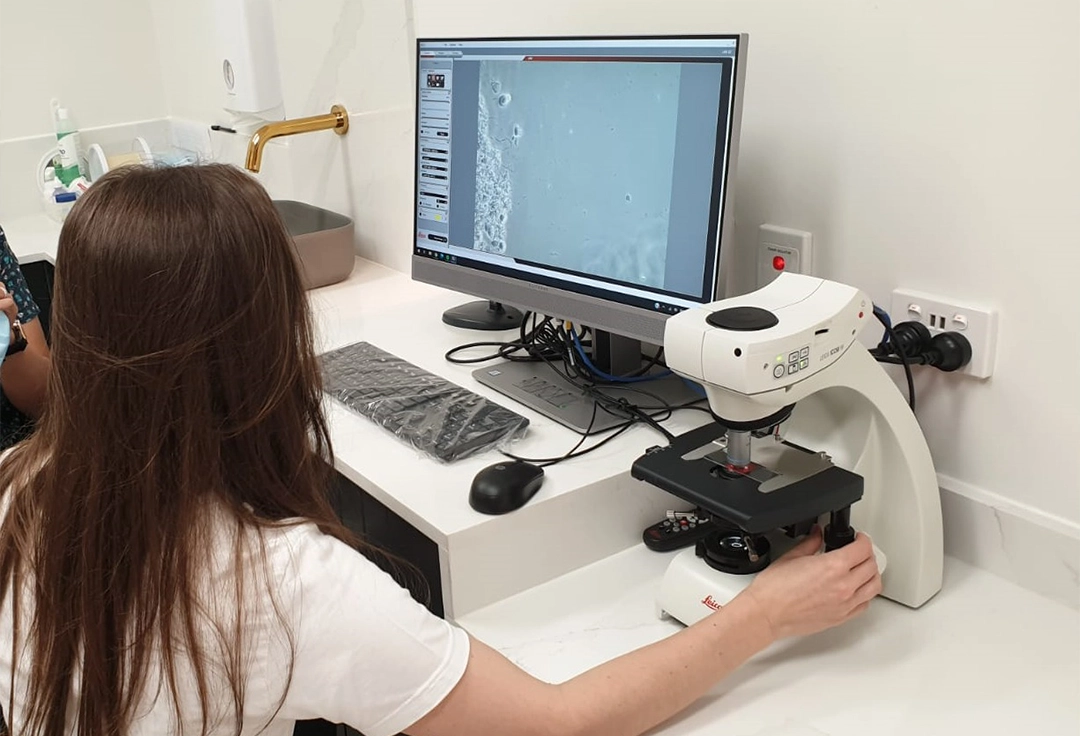
The recent study applied this concept by using a supramolecular protein matrix, which is essentially a carefully engineered protein coating, to guide enamel remineralisation. Acting like the scaffolding that developing teeth use, this coating allowed minerals to deposit in an organised pattern that resembles natural enamel crystals.
How nature-inspired protein coatings help your teeth
In the lab, researchers applied the protein coating to human enamel sections, then exposed them to minerals like calcium, phosphate, and fluoride, similar to what you find in saliva. They even added enzymes and gentle mechanical forces to mimic chewing. The result? New enamel-like crystals that integrated seamlessly with the existing enamel.
Key findings from the study include:
Restored hardness and strength: The regenerated enamel matched natural enamel in hardness and resistance to wear.
Durability against acids: Treated enamel was more resistant to acid exposure, a common cause of tooth erosion.
Biocompatibility: The protein coating was safe for cells found in the mouth, showing promise for future clinical applications.
This means that biomimetic dentistry doesn’t just patch teeth, but rather it can actually rebuild the enamel’s natural architecture, creating a stronger, more resilient surface.
Natural protection
Biomimetic enamel restoration could nip decay in the bud. By encouraging natural mineralisation processes, these treatments can help:
- Fill microscopic cracks before they become cavities
- Strengthen enamel against acidic foods and drinks
- Reduce sensitivity caused by worn enamel
In short, biomimetic approaches aim to restore teeth to their original, natural state, rather than just managing the damage.
What this means for you
While many biomimetic techniques are still in the research phase, the principles underpinning this technology of tomorrow are already part of modern dental care. For example, fluoride treatments and remineralising toothpaste work by helping your teeth rebuild and strengthen their outer surface, rather than simply covering it. . As we move into a new era, traditional preventive measures will be complemented by biomimetic dentistry for even better protection.
As promising as new technologies may be, they do not give us a free pass to ignore everyday oral care. Regular dental visits still matter, as your dentist can monitor enamel health, provide professional remineralisation treatments, and guide effective prevention at home. When this care is combined with consistent daily habits such as brushing twice daily with fluoride toothpaste, flossing, and limiting acidic or sugary foods, biomimetic-inspired care can help maintain strong, healthy teeth for life.

Nature’s blueprint for your smile
Biomimetic dentistry shows us that sometimes, the best solutions come from watching how nature does it. Using the same processes that form enamel, researchers are opening the door to stronger, longer-lasting restorations that behave more like real teeth.
Your smile deserves care that respects both science and nature. Regular dental visits, diligent home care, and emerging biomimetic approaches could help you keep your enamel healthy and resilient. Follow nature’s lead and build healthy habits so you can smile strong for life!