
How biomimetic dentistry uses nature to restore and protect tooth enamel

How biomimetic dentistry uses nature to restore and protect tooth enamel

Can tooth enamel regrow with biomimetic dentistry?

Our teeth are remarkable structures, designed to withstand decades of chewing, biting, and grinding. Yet, the wear and tear of daily life can gradually degrade the strength of our tooth enamel. When that hard protective outer layer is compromised, it opens the door to damage, sensitivity, and decay. Traditionally, dental treatments have focused on repairing damaged teeth with fillings or crowns. But what if we could actually regrow enamel-like structures, using the same strategies that nature employs?

Enter biomimetic dentistry. This cutting-edge approach is inspired by the natural processes of tooth formation, and designed to restore and strengthen enamel at the microscopic level. Recent research, including a groundbreaking study published in Nature, shows that this isn’t just theory. Regenerating enamel-like protection is becoming a real possibility.

What is biomimetic dentistry?

Biomimetic dentistry focuses on working with the natural biology of your teeth, rather than simply repairing damage after it occurs. It s materials and methods mimic what the human body uses to repair or regenerate teeth, replicating natural formation of enamel. Choosing this type of dentistry can mean more of your natural tooth is preserved, restoring structure and function in a way that respects the tooth’s natural biology.

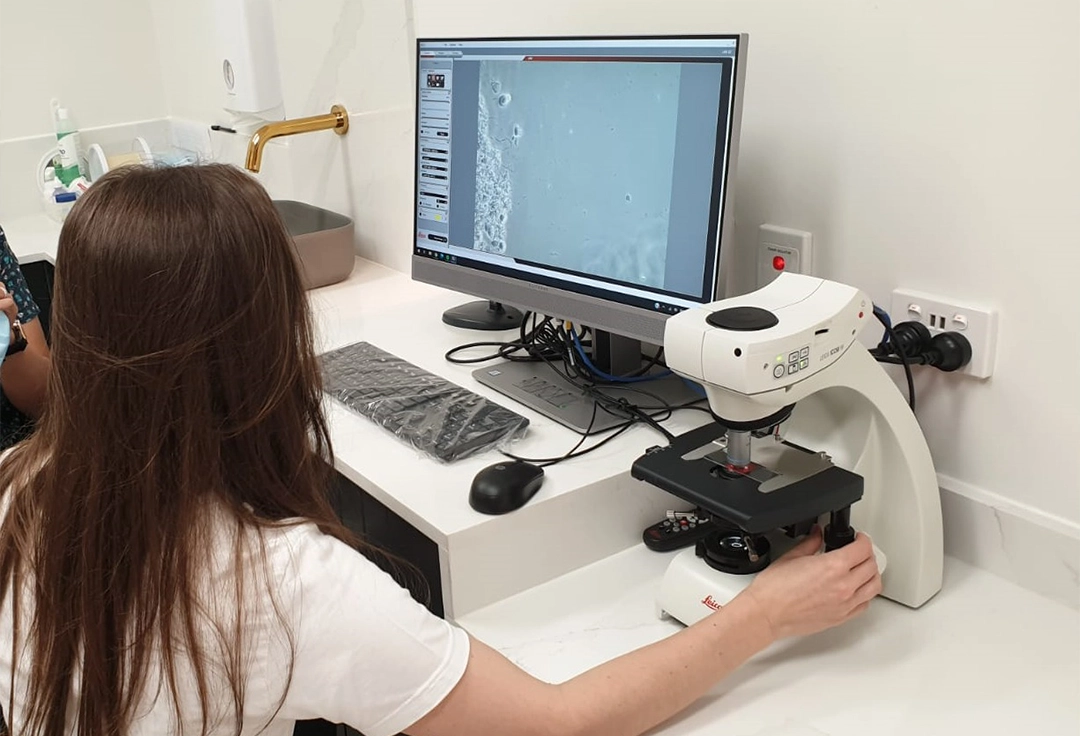
The recent study applied this concept by using a supramolecular protein matrix, which is essentially a carefully engineered protein coating, to guide enamel remineralisation. Acting like the scaffolding that developing teeth use, this coating allowed minerals to deposit in an organised pattern that resembles natural enamel crystals.
How biomimetic dentistry uses nature to restore and protect tooth enamel

How nature-inspired protein coatings help your teeth

In the lab, researchers applied the protein coating to human enamel sections, then exposed them to minerals like calcium, phosphate, and fluoride, similar to what you find in saliva. They even added enzymes and gentle mechanical forces to mimic chewing. The result? New enamel-like crystals that integrated seamlessly with the existing enamel.

Key findings from the study include:

Restored hardness and strength: The regenerated enamel matched natural enamel in hardness and resistance to wear.

Durability against acids: Treated enamel was more resistant to acid exposure, a common cause of tooth erosion.

Biocompatibility: The protein coating was safe for cells found in the mouth, showing promise for future clinical applications.

This means that biomimetic dentistry doesn’t just patch teeth, but rather it can actually rebuild the enamel’s natural architecture, creating a stronger, more resilient surface.
How biomimetic dentistry uses nature to restore and protect tooth enamel

Natural protection

Biomimetic enamel restoration could nip decay in the bud. By encouraging natural mineralisation processes, these treatments can help:

  • Fill microscopic cracks before they become cavities
  • Strengthen enamel against acidic foods and drinks
  • Reduce sensitivity caused by worn enamel

In short, biomimetic approaches aim to restore teeth to their original, natural state, rather than just managing the damage.

What this means for you

While many biomimetic techniques are still in the research phase, the principles underpinning this technology of tomorrow are already part of modern dental care. For example, fluoride treatments and remineralising toothpaste work by helping your teeth rebuild and strengthen their outer surface, rather than simply covering it. . As we move into a new era, traditional preventive measures will be complemented by biomimetic dentistry for even better protection.

As promising as new technologies may be, they do not give us a free pass to ignore everyday oral care. Regular dental visits still matter, as your dentist can monitor enamel health, provide professional remineralisation treatments, and guide effective prevention at home. When this care is combined with consistent daily habits such as brushing twice daily with fluoride toothpaste, flossing, and limiting acidic or sugary foods, biomimetic-inspired care can help maintain strong, healthy teeth for life.

How biomimetic dentistry uses nature to restore and protect tooth enamel

Nature’s blueprint for your smile

Biomimetic dentistry shows us that sometimes, the best solutions come from watching how nature does it. Using the same processes that form enamel, researchers are opening the door to stronger, longer-lasting restorations that behave more like real teeth.

Your smile deserves care that respects both science and nature. Regular dental visits, diligent home care, and emerging biomimetic approaches could help you keep your enamel healthy and resilient. Follow nature’s lead and build healthy habits so you can smile strong for life!

Do not pop it! The truth about your tooth abscess

Do not pop it! The truth about your tooth abscess

Dying to pop your tooth abscess? Don’t!

Is that a pimple inside your gum? If you’ve ever noticed a painful bump or swelling near a tooth, it’s easy to assume it’s something minor, maybe even a pimple you can pop and move on from. But hold up. That little lump isn’t a pimple at all! It’s likely a tooth abscess, and trying to handle it yourself can do far more harm than good.

A tooth abscess is your body’s way of waving a big red flag, telling you there’s an infection that needs professional care. Left untreated — or worse, tampered with — it can spread quickly and lead to serious complications. Treat this as a dental emergency and get in to see your dentist as soon as possible.

If you actually have an abscess, stop reading for a moment — call your dentist first. Good. Now that you’ve done that, let’s talk about what’s really going on. We’ll unpack what a tooth abscess is, why it forms, why you should never try to pop it, and the safest, most effective way to get rid of it for good.

What exactly is a tooth abscess?

A tooth abscess forms when bacteria cause an infection inside your tooth or gum, leading to a pocket of pus. In simple terms, it’s your body’s way of fighting back. Your immune system sends white blood cells to the area to battle the infection, which leads to a build-up of pus.

There are two main types you should know about:

Periapical abscess – develops at the tip of a tooth’s root, often due to deep decay, cracks, or trauma that allows bacteria to reach the inner pulp.

Periodontal abscess – forms in the gums beside a tooth, usually as a result of advanced gum disease or trapped food and plaque around the roots.

No matter which type you have, a tooth abscess is your body’s SOS signal — a clear sign that an infection needs professional attention before it spreads or worsens.

tooth abscess

Why you should never pop a tooth abscess

It might be tempting, especially when the pressure builds and the pain becomes unbearable, but here’s the hard truth: popping a tooth abscess is dangerous.

What might seem like a quick fix can actually turn into a serious health risk. Here’s why:

1. You could spread the infection

When you try to squeeze or drain an abscess yourself, bacteria can enter your bloodstream or spread into deeper tissues of your face, jaw, or neck. In severe cases, this can lead to sepsis, a potentially life-threatening infection that affects your whole body.

2. It doesn’t fix the real problem

Even if some pus drains out, the infection inside your tooth or gum doesn’t disappear. The abscess will almost always come back, often more painful and swollen than before. The underlying infection will still be there.

3. You can make things worse

Using sharp objects like pins, needles, or even your fingers can damage your gums and surrounding tissues. You might cause bleeding or open new pathways for bacteria to spread, worsening the infection.

4. You delay proper treatment

Every day you wait or try to “fix it” yourself gives the infection more time to grow. This can lead to tooth loss, bone damage, or the need for more complex dental procedures down the line.

The bottom line: A tooth abscess isn’t something to handle at home. Never pop or drain it yourself — see your dentist as soon as possible. They can safely relieve your pain, treat the infection at its source, and help protect your overall health.

You delay proper treatment

Signs and symptoms you shouldn’t ignore

A tooth abscess doesn’t always look dramatic at first. Some start small with just a bit of gum tenderness or a dull ache, but they can escalate quickly if left untreated.

So how do you know if that swelling is something serious? Here’s what to look out for:

  • Throbbing, persistent toothache that can radiate to your jaw, ear, or neck
  • Swelling in the face, cheek, or jaw
  • Red, shiny, or swollen gums near the affected tooth
  • A small bump or pimple on the gum (which may release pus or fluid)
  • Sensitivity to hot, cold, or pressure when chewing
  • Tender or swollen lymph nodes in the neck or under the jaw
  • Bad taste in the mouth or foul-smelling breath
  • Difficulty opening your mouth, swallowing, or speaking comfortably
  • Fever or general feeling of being unwell (fatigue, malaise)

If you experience any of these symptoms, especially if the swelling spreads or you start to feel unwell, see your dentist urgently or go to your nearest emergency department. Prompt treatment is crucial to stop the infection from spreading and to relieve your pain safely.

How dentists treat a tooth abscess

Thankfully, a tooth abscess is treatable, and with the right dental care, you can recover fully and get back to feeling comfortable again.

Your dentist’s main goal is to remove the source of infection, ease your pain, and prevent it from coming back. Depending on your situation, treatment may involve:

How dentists treat a tooth abscess
  • Draining the abscess safely – Your dentist may make a small incision to release the pus and clean the area, easing the pressure and discomfort.
  • Prescribing antibiotics – To control the infection and stop it from spreading to nearby tissues.
  • Performing root canal therapy – If the infection has reached the inner pulp, your dentist can clean, disinfect, and seal the tooth to save it.
  • Extracting the tooth – In severe cases, when a tooth is too damaged to restore, removing it may be the safest option.

Using modern tools such as digital X-rays, your dentist can pinpoint the source of infection precisely. You really can’t safely do even a fraction of this at home, but with prompt, professional care, most patients feel relief within days and are back to normal before they know it.

How to relieve the pain (while waiting for treatment)

If you can’t see your dentist straight away, there are a few things you can do to manage the pain and swelling safely at home. This is just until you get proper treatment, so please don’t mistake this for a treatment regime. It’s just a few steps to minimise trouble until your dental appointment.

Try these simple steps:

Rinse gently with warm saltwater. This helps keep the area clean and can provide mild relief from discomfort. Avoid vigorous swishing — gentle is best.

Take over-the-counter pain relief, such as ibuprofen or paracetamol, following the directions on the label. These can help ease the pain and reduce inflammation.

Avoid very hot, cold, or sugary foods and drinks. These can irritate the tooth or trigger sharp pain. Stick to softer, neutral-temperature foods until you’re treated.

Keep your head elevated when resting. Lying flat can increase pressure and make the pain throb more, so try propping yourself up slightly when you sleep.

And one important note: don’t apply heat or try to drain the abscess yourself. Both can make the infection spread faster and cause more harm than good.

These tips can help you stay comfortable for the moment, but they’re not a cure. The only way to truly stop the infection is with professional dental care.

Keep your head elevated when resting

Using modern tools such as digital X-rays, your dentist can pinpoint the source of infection precisely. You really can’t safely do even a fraction of this at home, but with prompt, professional care, most patients feel relief within days and are back to normal before they know it.

Prevention is the best way to protect your smile

The truth is, most tooth abscesses don’t start out as big problems. They often begin with something small like a bit of decay, a missed brushing session, or an untreated cavity. Over time, those little issues can snowball into a painful infection.

The best part is that most abscesses are completely preventable with simple, consistent oral care and regular dental visits.

Here’s how to keep your teeth and gums healthy:

  • Brush twice a day with fluoride toothpaste to remove plaque and strengthen your enamel.
  • Clean between your teeth daily using floss or interdental brushes to get rid of food and bacteria your toothbrush can’t reach.
  • See your dentist regularly for check-ups and professional cleans — early detection can stop small problems from turning into major ones.
  • Treat cavities, chips, or gum issues early to prevent bacteria from finding their way deeper into your tooth or gum tissue.
  • Eat a balanced diet and go easy on sugary snacks or drinks, which can feed the bacteria that cause decay.

Keeping up with these habits doesn’t just protect you from abscesses — it helps you maintain a healthy, confident smile for life.

Got a swollen gum? Get it checked!

Tooth abscesses can be painful and worrying. It might be tempting to handle it yourself, but this isn’t a DIY project — let your dentist take care of it.

Your dentist has the right tools, training, and gentle touch to relieve your pain safely and treat the infection at its source.

If you notice swelling, tenderness, or an unusual lump in your mouth, book an appointment as soon as possible. Prompt treatment and good oral hygiene habits can stop infections and other issues before they start, so your teeth and gums stay healthy today and far into the years ahead.

Got a swollen gum? Get it checked!

Solving the “grey tooth” mystery with internal bleaching

Solving the “grey tooth” mystery with internal bleaching

The “grey tooth” mystery and how internal bleaching helps

Ever caught your reflection and noticed one tooth looking darker than the rest? It can feel unfair, especially when you’re doing everything correctly with your brushing, flossing, even whitening, yet that one tooth still refuses to blend in. This happens more often than you’d think, and while it can affect how you feel about your smile, treatments like internal bleaching mean it’s not something you have to live with.

A “grey tooth” can appear for a few different reasons — sometimes after an injury (even one from years back), or following certain dental treatments like a root canal. The good news is, there are safe and effective ways to brighten it again. And once you understand why it happens and how dentists can lighten a tooth from the inside, you’re already closer to bringing back a natural, even-toned smile.

The mystery of the single dark tooth

A single grey or dark-looking tooth can feel like a bit of a head-scratcher, especially when the rest of your teeth look healthy and bright. In many cases, this colour change starts from inside the tooth rather than on the surface, which is why normal whitening products don’t work. One of the most common reasons is a past root canal treatment — the tooth may have been saved from infection, but over time it can slowly lose its natural brightness. In some people, the darkening can take months or even years to appear, making it feel like it happened “out of nowhere.”

While it can be surprising or even frustrating, it’s not usually a sign that the tooth is failing or needs to be removed. Thanks to modern cosmetic and restorative dentistry, there are treatments that safely and effectively restore the tooth’s natural shade without needing implants, crowns, or extractions as the first resort.

grey tooth

Why teeth turn grey from the inside

Teeth can change colour for several internal reasons—often unrelated to how well you clean or care for them. Some of the main causes include:

Trauma or injury

A hard knock, sports injury, or fall can damage the blood vessels and nerve tissue inside a tooth. Even if the tooth stays intact and pain-free, the internal tissue can slowly break down, causing the tooth to appear grey, brown, or even slightly blue-ish over time. In many cases, the event might have happened years earlier, so people don’t always connect the two.

Restorations or past dental work

Older-style fillings, especially metal-based materials, can show through the natural tooth structure and darken its appearance. Deep fillings can also affect the internal shade of a tooth if there was significant decay or staining beneath them.

Colour changes after root canal treatment

A tooth that has had root canal therapy no longer has a living nerve or blood supply. While the treatment saves the tooth, small remnants of tissue or medicaments used during the procedure can discolour the inside over time. Without natural circulation, the tooth may gradually shift towards a grey or yellow-brown shade, even if it remains structurally healthy.

Understanding the reason behind the darkening is essential before choosing a treatment. A dentist will assess the tooth’s history, structure, and internal health so that any whitening or restoration isn’t just cosmetic, but safe and long-lasting.

grey tooth

Internal bleaching

The inside job solution

Internal bleaching — often referred to as a walking bleach technique — is a cosmetic treatment designed specifically for teeth that have darkened from within, most commonly after a root canal or internal trauma. Unlike regular whitening treatments that work on the surface, internal bleaching targets the discolouration inside the tooth, where the staining originates.

Here’s a simple breakdown of how the procedure works:

1. Examination and X-ray assessment

Before any treatment begins, the dentist examines the tooth and takes X-rays to check its internal health. This ensures there’s no infection, fractures, or structural issues that could affect the safety or outcome of bleaching.

2. Careful preparation

The dentist creates a small opening in the back of the tooth and removes the temporary or existing filling material in the upper part of the root canal space, without disturbing the sealed and treated root canal below.

3. Placement of the bleaching material

A professionally formulated whitening agent is placed inside the tooth chamber, allowing it to gradually lighten the internal dentine and enamel from the inside out. This method avoids unnecessary removal of healthy tooth structure.

4. Sealing and monitoring

The tooth is sealed with a temporary filling, and the bleaching agent is left in place for several days. Depending on the shade and response, the process may be repeated until a natural, even colour is reached.

5. Final restoration and shade check

Once the tooth closely matches the colour of your surrounding teeth, the bleaching material is removed and the tooth is permanently sealed with a long-lasting filling or restoration to maintain strength and protect it from reinfection.

Internal bleaching is considered minimally invasive, preserves more natural tooth structure than veneers or crowns, and can deliver a noticeably more harmonious smile without aggressive cosmetic work.

Final restoration and shade check

Is internal bleaching right for you?

Internal bleaching is most suitable for teeth that have been root-treated or have darkened due to past trauma but remain structurally sound and infection-free. It may not be recommended if the tooth has:

  • Deep cracks or fractures
  • Ongoing infection or decay
  • Large restorations that compromise strength
  • Weak remaining tooth structure

Your dentist will assess the condition of the tooth, review its treatment history, take X-rays if needed, and discuss your aesthetic goals. In many cases, internal bleaching is a conservative first choice before considering options like veneers, composite bonding, or crowns.

Other options and considerations

If internal bleaching isn’t suitable for your tooth, there are other effective ways to restore its appearance:

  • Veneers – These are thin porcelain or composite shells bonded to the front of the tooth. Veneers can mask discolouration while also improving shape and alignment if needed. They’re ideal for teeth that are otherwise healthy but stubbornly grey.
  • Crowns – A full coverage crown covers the entire tooth, restoring both colour and strength. Crowns are a good option for teeth that are weakened, cracked, or have extensive restorations, providing a long-lasting, natural-looking solution.

When internal bleaching is successful, the results can last many years, especially with good oral hygiene and regular dental check-ups. Some teeth may require touch-ups over time, but because this technique preserves natural tooth structure, it’s a conservative and effective first choice for many patients.

Tips to keep your smile bright

While some tooth discolouration is unavoidable, there are steps you can take to keep your teeth bright and healthy:

  • Brush and floss consistently to prevent staining and decay
  • Limit highly pigmented foods and drinks, such as coffee, tea, and red wine
  • Visit your dentist regularly for check-ups and professional cleanings
  • Treat any dental injuries promptly to reduce the risk of internal staining
Final restoration and shade check

Even if one tooth has gone grey, a warm, confident smile is always within reach. Internal bleaching is a gentle yet effective way to restore your tooth’s natural colour, helping you enjoy a more uniform, radiant smile, and a boost to your confidence along the way.

Take the mystery out of your smile

When a tooth goes grey, your first step to restoring its natural glow is to chat with your dentist. They can pinpoint why the tooth has darkened and recommend the right treatment. Whether that’s internal bleaching or another cosmetic option, your dentist knows the best way to bring your natural brightness back.

Remember, healthy teeth are the foundation of a beautiful smile. With good daily care, regular check-ups, and a little professional guidance, even a stubborn grey tooth can be brightened. Get ready to smile naturally, confidently and beautifully.